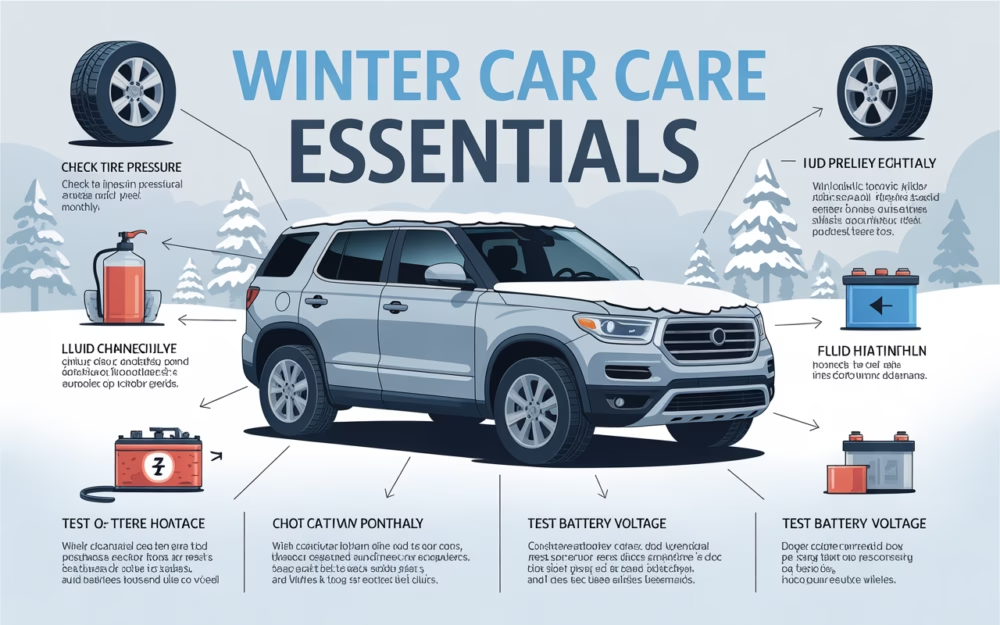
Winter isn’t just hard on humans—it’s exceptionally demanding on vehicles. When temperatures plummet below freezing, your car faces challenges that simply don’t exist during warmer months.
That clicking sound when you turn the key on a frigid morning? That’s just the beginning of what can go wrong when winter catches your vehicle unprepared.
Freezing temperatures fundamentally change how your car operates. Your battery loses up to 60% of its power when the mercury drops below 32°F, making it struggle to deliver the energy needed for cold starts.
Engine oil thickens to a molasses-like consistency, forcing your engine to work harder just to circulate lubrication. Even your tire pressure drops predictably—about 1 PSI for every 10°F temperature decrease—reducing traction exactly when you need it most.
The consequences of skipping winter preparation aren’t just inconvenient—they can be dangerous and expensive. AAA reports that they rescue millions of stranded motorists every winter, with dead batteries, flat tires, and lockouts topping the list of issues.
Beyond the frustration of being stranded, poorly maintained vehicles contribute to the 156,000 crashes that occur annually due to icy roads. A simple maintenance routine now can prevent both the $89 average cost of a jump start and the incalculable cost of an accident caused by poor visibility or inadequate tire traction.
Your vehicle deserves more than just hoping for the best when temperatures drop. The comprehensive checklist we’re about to share will help ensure your car remains a reliable partner throughout the coldest months of the year.
- The Battery Test: Your First Line of Defense Against Winter Breakdowns
- Vision Safety: Wipers & Fluids for Winter Driving
- Tire Logic: Pressure & Tread for Winter Driving
- The “See and Be Seen” Check: Winter Light Maintenance
- The Emergency “Trunk Kit”: Your Winter Roadside Savior
- Winter Fluid Maintenance: What Your Car Needs to Survive the Cold
- Protecting Your Car’s Paint and Undercarriage from Winter’s Assault
- Ignition System and Fuel Management: Winter’s Silent Challengers
- Don’t Get Frozen Out: Door and Lock Maintenance
- Stay Warm and Safe: Heating System Maintenance
- Winter Driving Techniques: Staying Safe on Snow and Ice
- Plan Your Winter Travels Wisely
- Ultimate Winter Car Care Checklist: Print & Prepare
- When to Seek Professional Winter Car Maintenance
- FAQs About Winter Car Care
The Battery Test: Your First Line of Defense Against Winter Breakdowns
Winter mornings can be brutal on your car’s battery. When temperatures plummet, your battery’s chemical reactions slow down dramatically, reducing its power output by 30-60% in freezing conditions. That robust battery that started your car instantly all summer might suddenly leave you stranded when winter hits.
Your battery works harder in winter for several reasons. Cold engines require more power to start, thick oil creates additional resistance, and you’re likely using more electrical accessories (heater, defroster, heated seats). This triple threat makes battery failure the #1 reason for winter roadside assistance calls.
How to Check Your Battery’s Age
Most batteries last 3-5 years, but winter conditions accelerate their decline. Here’s how to check yours:
- Look for the date stamp: Most batteries have a code on top or side. The first character indicates the month (A=January, B=February, etc.) and the second digit is the year (3=2023, 4=2024, etc.). So “C3” means March 2023.
- Visual inspection: Check for:
- Corrosion on terminals (white, powdery substance)
- Bulging battery case
- Loose connections
- Low fluid level (in batteries with removable caps)
Professional Testing Options
Even a battery that looks fine might be on its last legs. Most auto parts stores offer free battery testing services. These tests measure:
- Voltage output
- Cold cranking amps (CCA)
- Reserve capacity
- Internal resistance
This five-minute test can save you hours of frustration and potentially dangerous situations in winter conditions.
Battery Maintenance Tips
- Clean the terminals: Use a wire brush and a solution of baking soda and water to remove corrosion from terminals.
- Check connections: Ensure battery cables are tight and corrosion-free.
- Limit short trips: Short drives don’t fully recharge your battery. Try to take a 20+ minute drive weekly.
- Consider a battery blanket: In extremely cold regions, a battery insulator can help maintain optimal temperature.
- Park in a garage when possible: Even an unheated garage provides some protection against extreme cold.
- Turn off accessories before starting: Reduce the initial load on your battery by ensuring headlights, radio, and climate control are off before starting your car.
Remember, a battery replacement is far less expensive and inconvenient than being stranded in freezing temperatures. When in doubt, replace an aging battery before winter fully sets in.
Vision Safety: Wipers & Fluids for Winter Driving
When winter arrives, your ability to see clearly through your windshield becomes more than just a convenience—it’s a critical safety factor. Snow, sleet, road salt, and slush can quickly compromise visibility, turning a routine drive into a hazardous journey. Proper wiper and fluid maintenance isn’t just about comfort; it’s about survival on winter roads.
Switch to Winter-Blend Washer Fluid
Standard washer fluid can freeze at 32°F (0°C), leaving you without the ability to clean your windshield when you need it most. Winter-blend washer fluid contains additional antifreeze components that prevent freezing down to temperatures as low as -20°F (-29°C). This simple switch provides:
- Freeze protection in sub-zero temperatures
- Enhanced ability to cut through road grime and salt residue
- Better cleaning power against winter road film
When selecting winter washer fluid, look for products specifically labeled for winter use. The small additional cost is negligible compared to the safety benefits they provide.
Wiper Maintenance Tips
Your wipers work overtime during winter months. Here’s how to keep them performing optimally:
- Clean the blades regularly: Use a cloth dampened with washer fluid to wipe away grime and road salt that can cause streaking
- Inspect for cracks or wear: Rubber deteriorates faster in cold weather—look for signs of stiffening or cracking
- Never use wipers to remove ice: Always use an ice scraper first, as forcing wipers against ice can damage both the blades and the motor
The Wiper Lift Technique
One of the simplest yet most effective winter wiper hacks is lifting your wipers off the windshield before an expected snowfall or overnight freeze. This prevents:
- Blades from freezing to the glass
- Ice buildup on the blade edge
- Potential motor strain when you start your car
- Premature wear on the rubber elements
Simply pull the wiper arms away from the glass so they stand upright before parking for the night. Just remember to gently return them before starting your vehicle.
Replacement Schedule
Even the best wipers don’t last forever, and winter accelerates their deterioration. Follow these guidelines:
- Replace wiper blades every 6 months (or sooner if you notice performance issues)
- Consider installing winter-specific wiper blades that feature more robust rubber compounds and covered frames that prevent ice buildup
- Keep a spare set in your trunk for emergency replacement
The difference between old and new wipers becomes dramatically apparent during winter precipitation, when every streak or smear can mean the difference between seeing a hazard and missing it entirely.
Tire Logic: Pressure & Tread for Winter Driving
Winter’s freezing temperatures don’t just affect your car’s battery—they have a significant impact on your tires too. Understanding how cold weather affects tire pressure and tread performance could be the difference between a safe journey and a dangerous skid on icy roads.
The Temperature-Pressure Connection
For every 10°F drop in temperature, your tire pressure decreases by approximately 1 PSI (pound per square inch). This isn’t a minor concern—it’s simple physics that can seriously affect your vehicle’s handling. When temperatures plummet overnight, you might wake up to significantly underinflated tires even if they were properly filled the day before.
Underinflated tires create several problems in winter:
- Reduced traction on snow and ice
- Increased stopping distances
- Higher fuel consumption
- Accelerated and uneven tread wear
- Greater risk of blowouts
The solution? Check your tire pressure at least weekly during winter months, preferably when the tires are cold (before driving). The recommended PSI for your vehicle is typically found on a sticker inside the driver’s door jamb or in your owner’s manual—not on the tire itself, which shows maximum pressure.
The Penny Test: Your Quick Tread Check
Adequate tread depth becomes even more crucial in winter when you need every bit of grip available. The classic penny test remains one of the simplest ways to check if your tires are winter-ready:
- Take a penny and insert it into your tire’s tread groove with Lincoln’s head upside down and facing you
- If you can see all of Lincoln’s head, your tread depth is less than 2/32 inch, meaning your tires are legally bald and need immediate replacement
- For winter driving specifically, experts recommend at least 4/32 inch of tread depth (use a quarter instead, with Washington’s head upside down—if you can see the top of his head, it’s time for new tires)
Check multiple spots across each tire, as uneven wear could mean alignment issues that winter conditions will only worsen.
Winter Tires vs. All-Season: Making the Right Choice
Many drivers mistakenly believe all-season tires are sufficient for winter driving. The reality is that dedicated winter tires offer substantial safety advantages when temperatures consistently drop below 45°F:
Winter/Snow Tires:
- Feature specialized rubber compounds that remain flexible in cold temperatures
- Have deeper, more aggressive tread patterns designed specifically for snow and ice
- Include tiny slits called “sipes” that provide additional biting edges for traction
- Can reduce braking distances on snow by up to 30% compared to all-season tires
All-Season Tires:
- Provide adequate performance in light winter conditions
- Offer better year-round convenience without seasonal changes
- Generally cost less than maintaining two sets of tires
- Work best in regions with mild winters and minimal snowfall
If you live in an area with severe winters, the investment in winter tires isn’t just about convenience—it’s about safety. Consider them essential safety equipment rather than an optional upgrade.
Proper Tire Inflation: A Step-by-Step Guide
Maintaining proper tire inflation throughout winter requires attention but isn’t complicated:
- Get the right tools: Purchase a quality digital tire pressure gauge and keep it in your glove compartment
- Know your numbers: Find your vehicle’s recommended cold tire pressure (not the maximum PSI on the tire sidewall)
- Check when cold: Measure pressure before driving or at least three hours after parking
- Check all five: Don’t forget your spare tire if you have one
- Adjust properly: Add air when needed, and if overfilled, press the gauge tip against the valve stem’s pin to release air
- Recheck after filling: Confirm you’ve reached the proper pressure after adding air
Remember that many gas station air pumps have inaccurate gauges, so using your own reliable gauge is always best. Some newer vehicles have tire pressure monitoring systems, but these typically only alert you when pressure is significantly low—regular manual checks are still recommended.
By maintaining proper tire pressure and adequate tread depth throughout winter, you’ll improve safety, extend tire life, and even save fuel. It’s one of the simplest yet most effective winter car care habits you can develop.
The “See and Be Seen” Check: Winter Light Maintenance
Winter brings shorter days, longer nights, and often hazardous visibility conditions. Your vehicle’s lighting system becomes critically important during these dark months—not just for you to see the road ahead, but for other drivers to see you.
A quick five-minute light check before winter fully sets in can prevent dangerous situations and potentially costly tickets. Start with a complete walk-around of your vehicle with all lights activated. This simple inspection can reveal issues that might leave you vulnerable on dark winter roads.
Headlight Clarity Matters
Winter road grime, salt, and slush can reduce headlight output by up to 40%. If your headlight lenses appear yellowed or foggy, consider these solutions:
- DIY Restoration: Use a headlight restoration kit (available at most auto parts stores) to remove oxidation from plastic lenses
- Professional Cleaning: Many detailing shops offer professional headlight restoration for severely yellowed lenses
- Regular Maintenance: Wipe headlights clean during each gas station stop using your windshield squeegee
The Complete Light Check List
Don’t forget to inspect all exterior lighting:
- Headlights (both low and high beams)
- Fog lights (if equipped)
- Tail lights
- Brake lights (have someone help you check these)
- Turn signals (front and rear)
- Reverse lights
- License plate lights
LED Upgrade Consideration
If you frequently drive in rural areas or extreme winter conditions, consider upgrading to LED bulbs for:
- Brighter illumination (up to 300% brighter than standard halogens)
- Better energy efficiency (less strain on your electrical system)
- Longer bulb life (typically 25,000+ hours versus 1,000 for halogens)
- Faster activation time (LEDs reach full brightness instantly)
Remember that proper aim is just as important as brightness—improperly aimed headlights can blind oncoming traffic and actually reduce your visibility. Many service centers can properly adjust your headlights for a nominal fee.
Winter driving requires maximum visibility in both directions. Don’t wait until you’re caught in a snowstorm to discover a burned-out bulb or foggy headlight. This simple maintenance check could make the difference between a safe winter journey and a dangerous roadside emergency.
The Emergency “Trunk Kit”: Your Winter Roadside Savior
Winter driving isn’t just about maintaining your vehicle—it’s about being prepared for the unexpected. When temperatures plummet and snow blankets the roads, a simple delay can quickly escalate into a dangerous situation. That’s where your emergency trunk kit becomes your most valuable passenger.
Must-Have Emergency Items
1. Jumper Cables or Portable Jump Starter
Cold temperatures are notorious battery killers. A quality set of jumper cables can get you back on the road if you can find another vehicle to help. Even better, invest in a portable jump starter (power bank with jumper capability) that allows you to restart your vehicle independently—no Good Samaritan required.
2. Warm Blanket
If you’re stranded and need to conserve fuel by limiting engine idling, a thermal blanket can literally be a lifesaver. Wool blankets retain heat even when damp, making them ideal for winter emergencies.
3. Flashlight with Extra Batteries
Winter means shorter days and longer nights. A reliable flashlight helps you assess problems, signal for help, or simply find your way if you need to walk for assistance. LED flashlights offer the longest battery life.
4. Non-Perishable Snacks
Granola bars, nuts, and dried fruits provide essential energy while waiting for help. Choose items with long shelf lives that won’t freeze solid in cold temperatures.
5. Bottled Water
Dehydration is still possible in cold weather. Store water in containers that allow for some expansion if they freeze.
6. First Aid Kit
A basic kit with bandages, antiseptic wipes, and pain relievers can handle minor injuries until help arrives.
7. Ice Scraper and Snow Brush
These essential tools help maintain visibility during snowfall or when your car is covered after being parked.
8. Foldable Shovel
Compact but sturdy, a foldable shovel can help dig your wheels out of snow banks or clear a path.
9. Traction Aids
Cat litter, sand, or purpose-made traction mats can help your tires grip when stuck on ice or in snow.
10. Portable Phone Charger
Perhaps the most critical modern emergency tool—a fully charged power bank ensures you can call for help when needed.
Compact Storage Solutions
Space is precious, especially in smaller vehicles. Consider these storage options:
- Use a collapsible crate or dedicated emergency bag to keep items organized
- Choose multi-purpose tools when possible
- Vacuum-seal clothing or blankets to reduce bulk
- Store items under seats or in wheel well areas around your spare tire
- Use seatback organizers for items you might need to access quickly
The Charged Phone: Your Lifeline
Your smartphone is your most powerful emergency tool—but only if it has power. Beyond keeping a portable charger in your emergency kit:
- Develop the habit of charging your phone before any winter journey
- Keep a car charger permanently in your vehicle
- In extreme cold, remember that batteries drain faster—keep your phone in an inner pocket close to your body if stranded
- Consider a weather alert app that works offline
- Save emergency contact numbers rather than relying solely on your contacts list
Remember that your emergency kit is only effective if it’s actually in your vehicle. Take 15 minutes this weekend to assemble these items—that small investment of time could make all the difference during a winter driving emergency.
Winter Fluid Maintenance: What Your Car Needs to Survive the Cold
Winter puts your car’s fluids to the ultimate test. When temperatures plummet, the liquids that keep your vehicle running smoothly can thicken, freeze, or lose effectiveness—potentially leaving you stranded in the cold. Proper fluid maintenance isn’t just about preventing breakdowns; it’s essential for safety and performance during winter’s harshest conditions.
Antifreeze/Coolant: Your First Line of Defense
Your cooling system needs special attention before winter arrives. Standard coolant might freeze in extreme cold, potentially cracking your engine block—a catastrophic and expensive failure. The ideal winter antifreeze/coolant mixture is typically 50/50 (antifreeze to water), which provides protection down to approximately -34°F (-37°C).
For extremely cold regions, you might need a 60/40 mixture, but never exceed the manufacturer’s recommendations as too much antifreeze can actually reduce cooling efficiency. Check both the level and concentration using an inexpensive antifreeze tester from any auto parts store. If it’s been over two years since your last coolant flush, consider a complete system refresh to remove contaminants that reduce freeze protection.
Oil Viscosity: Thinner is Better for Winter
Engine oil thickens substantially in cold weather, making it harder for your engine to turn over during startup. This puts additional strain on both your starter and battery. Before winter hits, consider switching to a lower viscosity oil recommended for cold temperatures.
Look for designations like “5W-30” instead of “10W-30″—the lower first number indicates better cold-weather flow properties. Many modern synthetic oils provide excellent cold-weather performance while maintaining protection at operating temperatures. Check your owner’s manual for specific winter oil recommendations for your vehicle model.
Brake Fluid: The Safety Critical Check
Brake fluid is hygroscopic—it absorbs moisture from the air over time. In winter, this absorbed moisture can freeze in brake lines, potentially causing brake failure. Even if freezing doesn’t occur, water-contaminated brake fluid has a lower boiling point, which can lead to brake fade during hard stops.
Check your brake fluid’s condition using test strips or by its color (it should be clear to amber, not dark brown). If it’s been more than two years since your last brake fluid change, schedule a flush before winter arrives. This simple maintenance step could literally be a lifesaver on icy roads.
Transmission Fluid and Power Steering Fluid
These fluids also thicken in cold weather, potentially causing hard shifting and stiff steering until the car warms up. Check levels and condition of both, looking for any discoloration or burning smell that might indicate needed service. Some manufacturers recommend specific winter-grade transmission fluids for extremely cold regions.
The Complete Pre-Winter Fluid Checklist
- Antifreeze/coolant: Check concentration and level
- Engine oil: Consider switching to winter-appropriate viscosity
- Brake fluid: Check condition and last change date
- Transmission fluid: Verify level and condition
- Power steering fluid: Check for proper level
- Windshield washer fluid: Replace with winter-grade (covered in another section)
Taking an hour to check and service these vital fluids before the first freeze can save you from hours of frustration—or worse, being stranded in dangerous conditions when winter hits full force.
Protecting Your Car’s Paint and Undercarriage from Winter’s Assault
Winter doesn’t just challenge your car’s mechanical systems—it wages chemical warfare on your vehicle’s exterior. Road salt and de-icing chemicals are incredibly effective at melting ice, but they’re equally effective at accelerating rust and corrosion on your beloved vehicle.
Road salt works by lowering the freezing point of water, but when it splashes onto your car’s metal components, it creates an electrolyte that accelerates the oxidation process. This corrosive cocktail attacks your car’s paint, wheel wells, exhaust system, and particularly the undercarriage—areas you might not see until significant damage has occurred.
A pre-winter waxing isn’t just for show; it’s armor for your paint. A quality wax job creates a hydrophobic barrier between your paint and winter’s harsh elements. Apply a thorough coat before the first snowfall, and your vehicle will thank you come spring. For maximum protection, professional ceramic coatings offer even longer-lasting defense, though at a higher price point.
Don’t hibernate your washing routine just because it’s cold. Regular winter washing—ideally every 10 days during heavy salt periods—is crucial for removing corrosive buildup. When temperatures rise above freezing, visit a car wash with undercarriage spray options. If you’re washing at home, use a garden sprinkler placed under the car to rinse the underside thoroughly.
For those in severe winter regions, consider an oil-based undercoating or electronic rust protection system. While these add an expense, they’re far cheaper than replacing corroded brake lines or exhaust components later. Pay special attention to wheel wells and rocker panels, which take direct hits from salty slush.
Remember: the damage from winter salt exposure is cumulative and often invisible until it’s too late. Your diligence now prevents costly repairs later.
Ignition System and Fuel Management: Winter’s Silent Challengers
Winter’s frigid temperatures don’t just test your battery—they put your entire ignition system through a rigorous exam. As temperatures plummet, your engine requires more energy to start while simultaneously having less available power to do so. This perfect storm of conditions makes maintaining your ignition and fuel systems critical for winter reliability.
Your spark plugs work overtime during winter starts. Cold engines require stronger, more consistent sparks to ignite fuel that’s less volatile in low temperatures. If your spark plugs are worn or improperly gapped, you might find yourself with a vehicle that cranks but won’t start on those below-freezing mornings. Consider having your spark plugs inspected before winter sets in—if they’re approaching their replacement interval, winter is the perfect time to install fresh ones.
Ignition coils and wires also face increased stress during winter. The higher voltage demands can expose weaknesses in aging components. During your pre-winter maintenance, have your mechanic check the condition of these parts, especially if your vehicle has over 60,000 miles.
Your fuel system requires equal attention. Cold weather causes gasoline to condense, potentially introducing moisture into your fuel system. This moisture can freeze in fuel lines and create blockages that prevent your car from starting.
The simplest preventative measure? Keep your fuel tank at least half full throughout winter. This reduces the air space in your tank where condensation can form. It’s also good insurance against being stranded with an empty tank during unexpected weather delays.
Consider using a fuel stabilizer or winter-blend fuel additive when temperatures consistently drop below freezing. These products help prevent fuel line freeze-up and improve cold-weather starting. They’re particularly valuable for vehicles that sit unused for extended periods or for older vehicles with less sophisticated fuel systems.
Diesel vehicle owners face additional challenges, as diesel fuel can gel in extreme cold. If you drive a diesel, investigate specific cold-weather additives designed to prevent this issue, or look for winter-blended diesel fuel at pumps in colder regions.
Remember: a properly maintained fuel system isn’t just about preventing no-starts—it’s about ensuring your engine runs efficiently when you need it most. A clean fuel filter and properly functioning fuel pump become even more critical when temperatures drop below freezing.
Don’t Get Frozen Out: Door and Lock Maintenance
Winter’s freezing temperatures can turn the simple act of opening your car door into a frustrating ordeal. Nothing starts your morning on a worse note than being locked out of your own vehicle because of frozen doors or locks.
Rubber door seals become brittle in cold weather and can actually freeze to the door frame, potentially tearing when forced open. Meanwhile, locks can accumulate moisture that freezes solid, rendering your key useless. Fortunately, a little preventative maintenance goes a long way.
For door seals, apply a silicone-based rubber conditioner or protectant before temperatures drop. This creates a water-resistant barrier that prevents moisture from freezing your door shut. Apply it generously to all rubber seals around doors and windows, wiping away any excess. Repeat this treatment monthly throughout winter for best results.
For locks, a graphite or silicone-based lock lubricant works wonders. Never use WD-40 or water-based lubricants in locks as they can attract moisture and make the problem worse over time. Spray a small amount into each lock cylinder and work your key in and out several times to distribute the lubricant.
If you do find yourself facing a frozen door, resist the urge to pour hot water on it—this can crack glass and potentially damage electronic components. Instead, try pressing firmly against the door while gently pulling the handle, breaking the ice seal. Commercial de-icers can also help in emergency situations, but prevention is always better than dealing with the frustration of frozen components on a cold morning.
Pro tip: Keep a small bottle of lock de-icer in your bag or coat pocket (not in the car where you can’t reach it!) during the coldest months for emergency access.
Stay Warm and Safe: Heating System Maintenance
Winter driving isn’t just about vehicle performance—it’s about your comfort and safety too. Your car’s heating system plays a crucial role in both keeping you warm and maintaining visibility through proper defrosting.
Your heating system relies on several components working together. The heater core (essentially a small radiator) circulates hot coolant from your engine to produce warm air, while the blower motor pushes this heated air through your vents. When either component fails, winter drives become not just uncomfortable but potentially dangerous.
Common heating issues to watch for include:
- Weak airflow: Often indicates a failing blower motor or a clogged cabin air filter
- Cold air only: Could signal low coolant levels, a faulty thermostat, or issues with the heater core
- Strange odors: Typically points to a moldy cabin air filter or coolant leaking from the heater core
Before winter sets in, test your heating system by running it on full blast. If performance seems weak, have a professional inspect the system. Most heating issues are relatively inexpensive to fix if caught early but can become major problems if ignored.
Don’t forget about your cabin air filter! This often-overlooked component should be replaced every 15,000-30,000 miles. A clogged filter not only reduces heating efficiency but can also circulate dust, allergens, and unpleasant odors throughout your vehicle.
Remember: A properly functioning heating system isn’t a luxury in winter—it’s a necessity for both comfort and safety on those frigid morning commutes.
Winter Driving Techniques: Staying Safe on Snow and Ice
Winter driving demands a different approach than navigating dry roads. When snow blankets the pavement and ice creates invisible hazards, your driving techniques must adapt accordingly.
Adjust Your Speed and Expectations
The first rule of winter driving is simple: slow down. Posted speed limits are designed for ideal conditions, not snow-covered or icy roads. Reduce your speed by at least 25-50% depending on conditions. Remember that everything takes longer on winter roads—accelerating, stopping, and turning all require more time and distance.
Master Your Braking Technique
Modern vehicles equipped with Anti-lock Braking Systems (ABS) require different braking techniques than older cars:
- With ABS: Apply firm, continuous pressure to the brake pedal. The system will pulse automatically—this is normal and means it’s working correctly. Don’t pump the brakes, as this interferes with the ABS function.
- Without ABS: Use the “threshold braking” technique—apply the brakes to the point just before they lock up, then ease off slightly, repeating as necessary.
In all cases, begin braking earlier than you would on dry pavement. Gentle, progressive pressure works better than sudden, hard braking.
Recovering From a Skid
Even careful drivers can find themselves in a skid. Your response should depend on the type of skid:
Front-wheel skid (understeer): When your front wheels lose traction and the car continues straight despite turning the wheel:
- Ease off the accelerator
- Straighten the steering wheel slightly
- Wait for traction to return before gently steering again
Rear-wheel skid (oversteer): When your rear end starts sliding out:
- Steer gently in the direction you want to go (often called “steering into the skid”)
- Avoid hard braking
- Don’t overcorrect or make sudden movements
Maintain Safe Following Distance
The normal 3-second following distance recommended for dry roads should be increased to 8-10 seconds in winter conditions. This extra space gives you crucial time to react and stop safely when visibility and traction are compromised.
Accelerate and Decelerate Gradually
Sudden movements are the enemy of winter driving. Apply the gas pedal slowly to accelerate, taking extra time to get up to speed. When slowing down, plan ahead and brake gently to avoid skidding.
Use Lower Gears
When driving downhill, shift to a lower gear to help control your speed. This reduces the need for braking and decreases the chance of skidding. For automatic transmissions, many vehicles have a “low” setting or numbered gears you can select manually.
Remember, the best winter driving technique is sometimes choosing not to drive at all when conditions are truly dangerous. No appointment is worth risking your safety when roads are treacherous.
Plan Your Winter Travels Wisely
Winter driving requires more than just vehicle preparation—it demands thoughtful planning before you even start your engine. Checking weather forecasts should become as routine as grabbing your keys during winter months. Weather apps and local news provide hour-by-hour predictions that can help you avoid driving during the worst conditions.
Always inform someone of your travel plans when embarking on longer winter journeys. Share your route and expected arrival time with family or friends—this simple step creates a safety net should you encounter trouble along the way. In our connected world, this takes just seconds but could make hours of difference in an emergency.
Route planning takes on added importance during winter. Highways and main roads typically receive priority for plowing and salting, making them safer options even if they add a few minutes to your journey. Many navigation apps now include weather overlays and road condition reports—use these tools to identify and avoid problem areas before you encounter them.
Before heading out, ensure all mobile devices are fully charged. Winter drains batteries faster, and you may need your phone in an emergency. Consider keeping a car charger or portable power bank in your vehicle as well. A dead phone can transform a minor delay into a dangerous situation when temperatures drop below freezing.
Remember that winter driving often takes longer than expected. Build extra time into your schedule to avoid rushing, which leads to risky driving behaviors. The few minutes you might “save” by speeding through snowy conditions are never worth the potential consequences.
Ultimate Winter Car Care Checklist: Print & Prepare
Winter car care doesn’t have to be complicated, but it does require consistency. This printable checklist combines all the essential maintenance tasks we’ve covered, organized by frequency to help you stay on top of winter vehicle care. Keep this in your glove compartment or on your refrigerator as a reminder that a few minutes of preventative maintenance can save hours of winter weather headaches.
Daily Checks
- Clear all snow and ice from ALL windows, mirrors, lights, and the roof
- Check headlights and taillights are visible and working
- Ensure windshield washer fluid level is adequate
- Check tire pressure visually (they appear properly inflated)
- Listen for unusual noises during startup
- Allow engine to warm up for 30-60 seconds before driving
- Test brakes gently at low speed before entering traffic
Weekly Checks
- Measure tire pressure with gauge (remember pressure drops in cold)
- Inspect wiper blades for damage or poor performance
- Check windshield washer fluid level and top off with winter-grade fluid
- Test battery strength if temperature has dropped significantly
- Verify all exterior lights are functioning properly
- Check oil level (cold weather can increase consumption)
- Inspect emergency kit supplies
- Remove accumulated snow from wheel wells and undercarriage when possible
Monthly Checks
- Perform the penny test on all tires to check tread depth
- Check battery terminals for corrosion
- Inspect belts and hoses for cracks or wear
- Test the heating system at maximum setting
- Check antifreeze/coolant level and strength
- Lubricate door locks and hinges if sticking
- Wash vehicle thoroughly (including undercarriage) to remove road salt
- Check brake fluid level
Maintenance Record
| Service | Date Completed | Next Due | Notes |
|---|---|---|---|
| Battery Test | |||
| Oil Change | |||
| Tire Rotation | |||
| Brake Inspection | |||
| Coolant Flush | |||
| Air Filter | |||
| Wiper Blade Replacement |
Remember: The few minutes you spend on these checks can save you hours of frustration and potentially dangerous situations during winter driving. Print this checklist and keep it handy throughout the winter months.
When to Seek Professional Winter Car Maintenance
While many winter car care tasks can be handled at home, some issues require professional attention. Recognizing when to visit a mechanic can save you from costly breakdowns and ensure your safety during harsh winter conditions.
Winter Issues Requiring Professional Help
Some winter car problems should never be DIY projects:
- Brake system issues: If you notice grinding sounds, soft pedal feel, or longer stopping distances, have your brakes inspected immediately. Winter driving demands optimal braking performance.
- Heating system failures: A malfunctioning heater isn’t just uncomfortable—it’s dangerous in freezing temperatures and can indicate more serious cooling system problems.
- Battery replacement: While testing can be done at home, proper battery installation requires correct terminal cleaning and connection to avoid electrical system damage.
- Transmission fluid changes: Winter puts extra stress on transmissions. Fluid changes require specialized equipment to properly flush and fill the system.
- Check engine light: Winter can exacerbate existing engine issues. Professional diagnostic equipment can identify problems before they leave you stranded.
Pre-Winter Professional Inspection Checklist
Consider scheduling a comprehensive winter inspection that includes:
- Cooling system pressure test and antifreeze concentration check
- Complete brake system evaluation
- Battery load testing and charging system analysis
- Heating system performance check
- Suspension and alignment inspection (critical for winter handling)
- Exhaust system examination (leaks are more dangerous when windows stay closed)
Choosing a Winter-Savvy Mechanic
Not all mechanics have equal experience with winter-specific issues. When selecting a professional:
- Look for ASE-certified technicians with cold-weather expertise
- Ask about their winter maintenance package offerings
- Check reviews specifically mentioning winter service quality
- Confirm they use quality winter-grade fluids and parts
- Ensure they provide detailed inspection reports
Cost-Saving Benefits of Preventative Maintenance
Professional winter maintenance might seem expensive initially, but consider the savings:
- Preventing a single tow from a winter breakdown ($75-150) often covers inspection costs
- Early detection of issues prevents more extensive damage
- Well-maintained vehicles use less fuel in winter conditions
- Properly functioning components experience less winter wear
- Many shops offer early-season winter preparation discounts
Remember that professional maintenance complements your DIY efforts. The small investment in professional service before winter hits can prevent major expenses and inconvenience when temperatures plummet.
FAQs About Winter Car Care
How often should I check my tire pressure during winter months?
You should check your tire pressure at least once a week during winter, preferably when the tires are cold (before driving). Because tire pressure drops approximately 1 PSI for every 10°F decrease in temperature, what was properly inflated yesterday might be significantly underinflated after an overnight temperature drop. More frequent checks during extreme cold snaps are advisable. Keep a quality digital tire pressure gauge in your glove compartment and make checking pressure part of your weekly routine, just like filling up with gas. This simple habit takes less than five minutes but dramatically improves your safety and fuel efficiency throughout winter.
Can I use regular windshield washer fluid in winter if I just add antifreeze to it?
No, you should never mix regular washer fluid with antifreeze or other additives. Regular washer fluid can freeze at 32°F, and attempting to create your own winter blend is ineffective and potentially harmful to your vehicle’s washer system. Winter-blend washer fluid is specifically formulated with methanol or other antifreeze components that prevent freezing down to temperatures as low as -20°F to -40°F depending on the product. These formulations also include detergents designed to cut through road salt and winter grime more effectively than standard fluid. The small price difference between regular and winter-blend fluid (typically just a dollar or two per gallon) is negligible compared to the safety benefits and the potential cost of repairing a washer system damaged by frozen fluid.
Do I really need winter tires, or are all-season tires good enough?
The answer depends on your climate and driving conditions. If you live in an area where temperatures consistently drop below 45°F and you regularly encounter snow or ice, winter tires offer significant safety advantages that all-season tires simply cannot match. Winter tires use specialized rubber compounds that remain flexible in cold temperatures, feature deeper and more aggressive tread patterns, and include thousands of tiny slits called sipes that provide additional grip. Studies show winter tires can reduce braking distances on snow by up to 30% compared to all-season tires. However, if you live in a region with mild winters, occasional light snow, and mostly clear roads, quality all-season tires may be adequate. Consider winter tires as essential safety equipment rather than an optional upgrade if you face regular winter driving challenges.
My car has been sitting unused for a few weeks in cold weather. What should I check before driving it?
Before starting a car that’s been sitting in cold weather, perform several important checks. First, visually inspect for any signs of animal nesting under the hood or in the engine compartment (rodents often seek warmth in parked vehicles). Check tire pressure, as tires can lose significant pressure during extended parking in cold conditions. Verify that your battery connections are clean and tight, as cold weather puts extra strain on batteries. Check all fluid levels, particularly coolant and oil. Before starting the engine, turn the key to the “on” position without starting to allow the fuel pump to prime the system. Once started, let the engine warm up for at least a minute before driving, and drive gently for the first few miles to allow all fluids to warm and circulate properly. If the car has been sitting for more than a month, consider having a mechanic perform a more thorough inspection before regular use.
How do I know if my battery needs to be replaced before winter, even if it’s still starting my car?
Several indicators suggest your battery may not survive winter even if it currently starts your car. First, check the battery’s age using the date stamp on top or side of the battery. Most batteries last 3-5 years, so if yours is approaching or exceeding that age, replacement is wise before winter. Pay attention to how your car starts—if you notice the engine cranking more slowly than usual, especially on cold mornings, your battery is weakening. Dimming headlights when idling or slow power window operation can also indicate battery decline. The most reliable method is to have your battery professionally tested at an auto parts store (most offer this free service). The test measures cold cranking amps, voltage output, and internal resistance. If the test shows your battery is operating below 75% capacity, replace it before winter arrives. Remember that the cost of a new battery is far less than the expense and danger of being stranded in freezing temperatures.
Is it bad to warm up my car by letting it idle in winter?
Modern fuel-injected engines don’t require extended idling to warm up, and excessive idling can actually be harmful. Contemporary engines warm up more efficiently while driving gently than while sitting idle. Idling for 30-60 seconds after starting allows oil to circulate through the engine, which is sufficient before driving. Extended idling wastes fuel, produces unnecessary emissions, and can actually cause incomplete fuel combustion that leaves residue on cylinder walls and spark plugs. The most effective warming method is to start your car, let it idle for about a minute, then drive gently (avoiding hard acceleration and high RPMs) for the first 5-10 minutes until the engine reaches operating temperature. This approach warms all components including transmission fluid, differential fluid, and suspension components more effectively than idling. The exception is if you need to clear ice and snow from your vehicle—in this case, starting the car and letting the defroster run while you clear exterior surfaces is practical and safe.
What’s the best way to remove ice from my windshield without damaging it?
The safest ice removal method combines patience with the right tools. Start your car and turn on the defroster to begin warming the windshield from inside, but never pour hot water on frozen glass as the temperature shock can cause cracks. Use a proper ice scraper (not a credit card or other improvised tool) with a long handle to avoid putting pressure on the glass. Scrape in one direction rather than back and forth to avoid scratching. For thick ice, a de-icer spray can help loosen the bond between ice and glass—spray it on and wait a minute before scraping. Some drivers swear by the “vinegar solution” prevention method: spraying a 3:1 mixture of vinegar to water on windows the night before prevents ice formation. Never use your windshield wipers to remove ice, as this can tear the rubber blades and strain the wiper motor. If you’re in a hurry, focus on clearing the driver’s side first for immediate visibility, but never drive with partially cleared windows—it’s illegal, dangerous, and puts everyone on the road at risk.
Should I use a block heater, and how much difference does it really make?
Block heaters can make a substantial difference in extremely cold climates (typically areas where temperatures regularly drop below 0°F/-18°C). A block heater warms the engine coolant before starting, which reduces engine wear during cold starts, improves fuel efficiency, provides faster cabin heating, and significantly reduces the strain on your battery and starter motor. In severe cold, a block heater can mean the difference between starting and not starting at all. Most block heaters should be plugged in 2-4 hours before starting your vehicle (not overnight, which wastes electricity). Many drivers in cold regions use an outdoor timer to have the heater activate automatically before their typical departure time. If you live in a moderately cold climate where temperatures rarely drop below 10°F, a block heater is less critical but still beneficial. The investment (typically $50-150 for installation) pays for itself through reduced wear and improved fuel economy over time. Some newer vehicles come with block heaters pre-installed or as an available option.
How can I tell if my antifreeze/coolant mixture is strong enough for winter?
Testing your antifreeze concentration is simple and inexpensive using an antifreeze tester, available at any auto parts store for under $10. These testers work either by measuring the specific gravity of the coolant mixture (using floating balls or a needle indicator) or by measuring the refractive index with a refractometer-style tester. To test, remove the radiator cap when the engine is completely cold, draw a sample of coolant into the tester, and read the freeze protection level indicated. A proper 50/50 mixture of antifreeze and water protects down to approximately -34°F. If you live in an extremely cold region, a 60/40 mixture (60% antifreeze) provides protection to about -62°F, though you should never exceed manufacturer recommendations. Beyond testing, visual inspection helps too—coolant should be bright in color (green, orange, or pink depending on type) and clear, not rusty or murky. If your coolant appears contaminated or if it’s been more than two years since your last coolant service, consider a complete flush and replacement before winter arrives.
What should I do if my car starts making strange noises in cold weather?
Cold weather can cause various noises, some normal and some requiring attention. A brief squealing from belts during the first few seconds after starting is typically normal—cold rubber is less flexible and may slip momentarily before warming. However, persistent squealing suggests worn or loose belts that should be inspected. Clicking or ticking sounds from the engine during cold starts often indicate that oil hasn’t fully circulated yet, which is why allowing 30-60 seconds of idling before driving is important. Grinding or groaning when turning the steering wheel in cold weather might indicate low power steering fluid or a struggling power steering pump. Clunking sounds from the suspension when driving over bumps in cold weather can signal worn suspension components that become more rigid in cold temperatures. Any new, persistent, or worsening noise warrants professional inspection. Don’t ignore unusual sounds in winter—what might be a minor issue in warm weather can quickly become a breakdown-causing problem in harsh conditions. When in doubt, have a trusted mechanic diagnose the source before the noise becomes a costly repair.