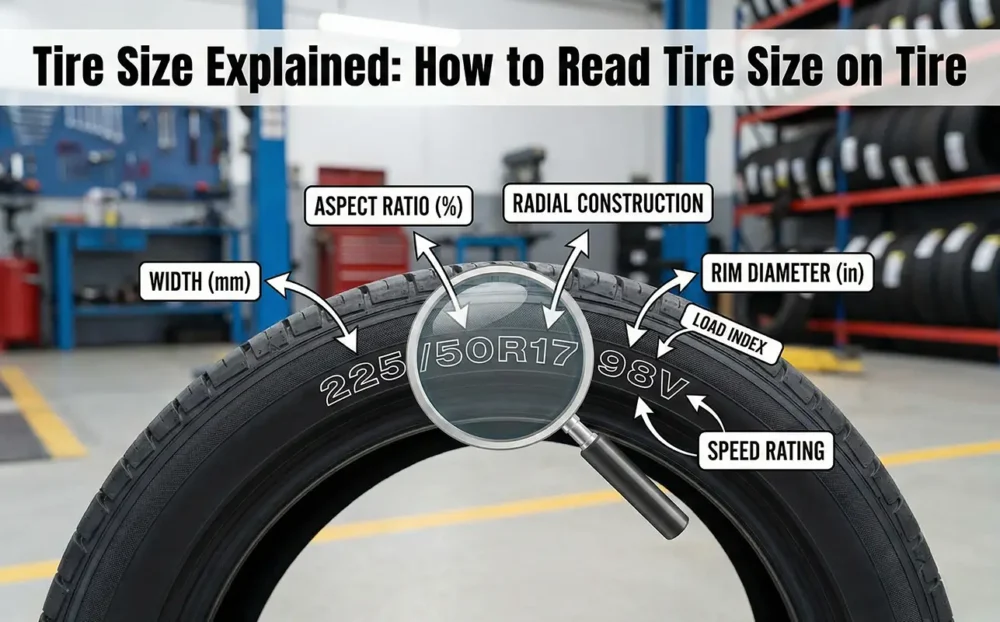
Your vehicle’s tires are the sole point of contact between your machine and the asphalt, dictating everything from acceleration and braking to ride comfort and fuel efficiency.
Yet, the cryptic markings on their sidewalls often remain a mystery to many drivers. Understanding your tire size is not merely about aesthetics or fitting the right rubber; it is a fundamental aspect of vehicle safety, performance, and successful tire buying and maintenance.
This comprehensive guide will demystify the alphanumeric codes on your tire sidewall, empowering you to make informed decisions about your vehicle’s most critical connection to the road.
- Why Understanding Tire Size Matters
- Where to Find Your Tire Size Information
- The Core of the Code: Unpacking the P-Metric Designation (e.g., P215/65R16)
- Decoding the Service Description: Load Index and Speed Rating
- Beyond the Basics: Other Critical Sidewall Markings
- Different Tire Sizing Systems
- When to Consult Your Tire Size
- Leveraging Tools: Tire Size Calculators and Charts
- Conclusion: Drive Confidently with Tire Knowledge
- Final Thoughts
- FAQ: Understanding Your Tire Sidewall
Why Understanding Tire Size Matters
The specifications indicated on your tire’s sidewall are far from arbitrary. They are meticulously engineered to meet the demands of your specific vehicle, influencing several key aspects of your driving experience.
Firstly, safety is paramount. The correct tire size ensures your vehicle’s braking systems, anti-lock braking system (ABS), and electronic stability control (ESC) function as designed.
Incorrect tire sizes can alter the overall tire diameter, leading to inaccurate speed readings and compromised performance of these vital safety features.
Furthermore, the intended load capacity and speed rating, dictated by tire size, are critical for preventing tire failure under stress.
Performance is another significant factor. Tire dimensions, including width and sidewall height, directly impact the size of the contact patch with the road.
A larger contact patch generally offers better grip for acceleration and cornering, while a narrower tire might improve fuel efficiency.
The aspect ratio, which determines sidewall height, influences how the tire absorbs road imperfections and contributes to the vehicle’s handling characteristics.
Fuel efficiency is also subtly linked to tire size. Tires with lower rolling resistance, often achieved through specific tread designs and compound materials influenced by the tire’s overall dimensions, can lead to better gas mileage.
Conversely, larger or wider tires, while potentially offering enhanced performance, can sometimes decrease fuel economy.
Finally, selecting the correct tire size ensures longevity and proper vehicle dynamics. Using tires that are too small or too large can lead to premature tire wear, strain on suspension components, and an inaccurate odometer reading.
For most drivers, sticking to the Original Equipment Manufacturer (OEM) tire size is the safest and most effective approach to maintaining optimal vehicle performance and safety.
The global automotive tire market, for instance, is projected to be worth $262.2 billion in 2023, with 2.47 billion tires sold worldwide, underscoring the vast scale of this essential industry Smithers, 2023.
This significant market value reflects the crucial role tires play across all vehicle types.
Where to Find Your Tire Size Information
The most direct and comprehensive source of your tire’s specifications is its sidewall. This is where all the essential codes and markings are imprinted. However, this information isn’t exclusive to the tire itself. You can also find the recommended tire size for your vehicle in several other convenient locations:
- Driver’s Side Door Jamb: Most vehicles have a sticker or placard located on the driver’s side doorjamb. This sticker typically lists the OEM tire size, recommended tire pressure, and often the vehicle’s weight ratings.
- Owner’s Manual: Your vehicle’s owner’s manual is an invaluable resource for all aspects of your car, including detailed information about the recommended tire size, tire type, and inflation pressures.
- Fuel Filler Door: In some vehicles, this information might also be printed on a sticker inside the fuel filler door.
While these sources provide the recommended specifications, the tire’s sidewall is where you can physically verify the size of the tires currently mounted on your vehicle.
The Core of the Code: Unpacking the P-Metric Designation (e.g., P215/65R16)
The most common tire sizing system in North America for passenger vehicles is the P-Metric system. This alphanumeric code, such as P215/65R16, contains a wealth of information about the tire’s dimensions, construction, and intended use. Let’s break down each component.
Tire Type: P (Passenger), LT (Light Truck), and Beyond
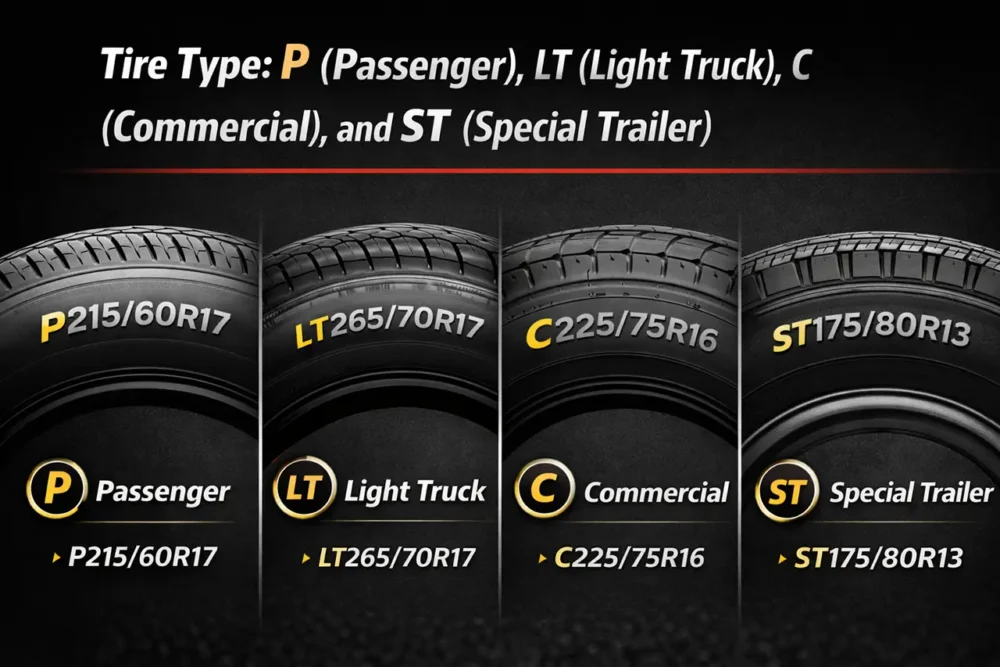
The first letter or letters at the beginning of the code denote the tire’s intended application.
- P: Indicates a “P-Metric” tire, designed for passenger cars and light SUVs. These tires typically offer a more comfortable ride and lower rolling resistance compared to their LT counterparts.
- LT: Stands for “Light Truck.” LT-Metric tires are built with stronger construction to handle heavier loads and more demanding conditions, commonly found on pickup trucks, vans, and heavier SUVs.
- C: Designates a “Commercial” tire, often used for heavier vans and trailers, offering enhanced load-carrying capabilities.
- ST: Means “Special Trailer” tires, designed specifically for trailers and engineered to handle the constant towing load and maintain stability.
Understanding the tire type is crucial because it dictates the tire’s fundamental construction and load-carrying capabilities, which must match the vehicle’s requirements.
Section Width: How Wide is Your Tire? (e.g., 215)
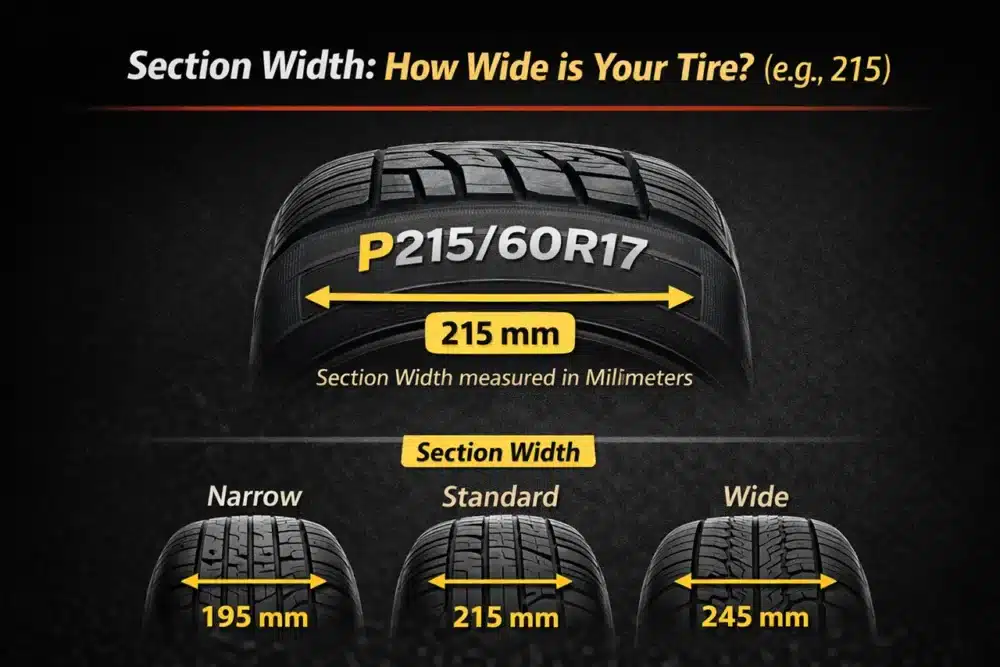
The number immediately following the tire type designation represents the tire’s section width, measured in millimeters. In the example P215/65R16, “215” indicates that the widest point of the tire’s tread is 215 millimeters across.
This measurement is crucial for several reasons. A wider tire generally has a larger contact patch, which can improve traction, braking, and cornering performance.
However, it can also increase rolling resistance, potentially decreasing fuel efficiency. The optimal tire width is determined by the vehicle manufacturer to balance these factors for the intended driving performance and vehicle dynamics.
For instance, the automotive tire market size is expected to increase by USD 59.7 billion, at a CAGR of 7.3% from 2024 to 2029 Technavio, 2024, highlighting the demand for tires across various widths and performance characteristics.
Aspect Ratio: Understanding Sidewall Height (e.g., /65)
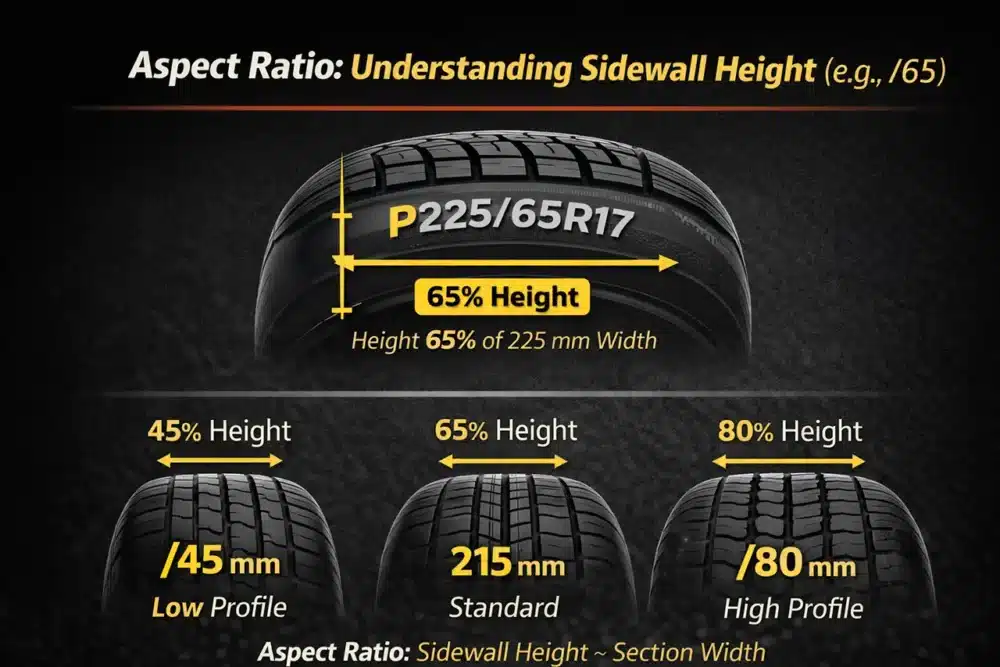
The two-digit number following the forward slash is the tire’s aspect ratio. This number represents the ratio of the tire’s sidewall height to its section width, expressed as a percentage. In P215/65R16, “65” means the sidewall height is 65% of the 215 mm section width.
A higher aspect ratio (e.g., 75, 70) results in a taller, more substantial sidewall. This typically leads to a softer, more comfortable ride, as the taller sidewall can absorb more road shock. However, taller sidewalls can also result in less precise handling, as they may flex more during cornering.
Conversely, a lower aspect ratio (e.g., 55, 50, 45) signifies a shorter, stiffer sidewall. This improves steering response and cornering stability, making the vehicle feel more planted and direct.
However, tires with low aspect ratios transmit more road imperfections to the cabin, resulting in a firmer ride. The choice between higher and lower aspect ratios is a key engineering decision that balances ride comfort with performance for a given vehicle.
Construction Type: Radial (R) vs. Bias-Ply (B/D) (e.g., R)
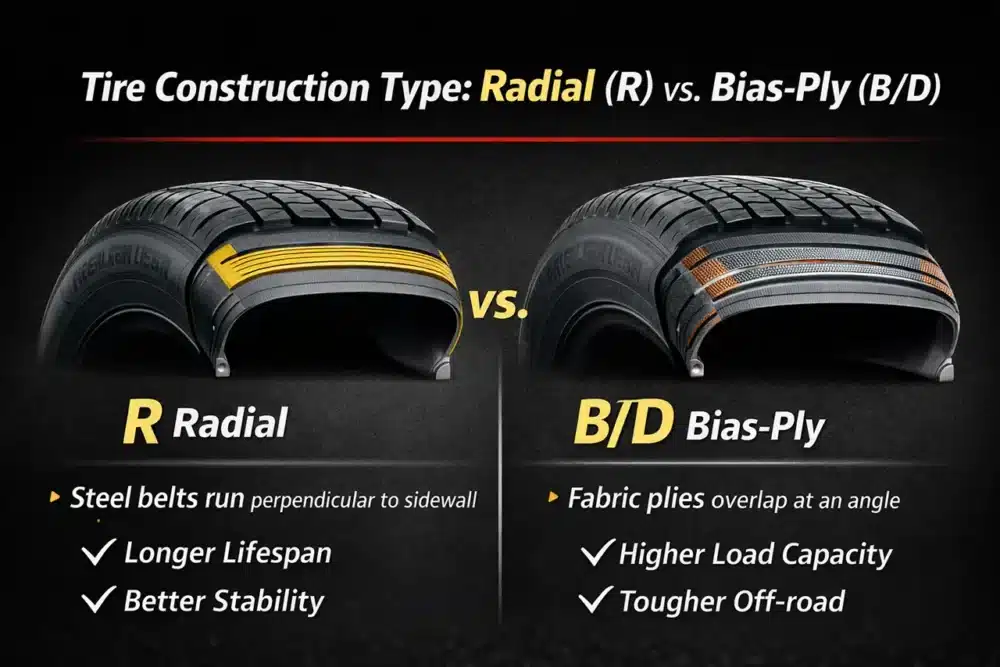
The letter preceding the rim diameter indicates the tire’s internal construction.
- R: This is the most common designation today and stands for Radial construction. In radial tires, the plies (layers of fabric cord) are arranged perpendicular to the direction of travel, running from bead to bead like spokes on a wheel. This design offers superior flexibility, better heat dissipation, improved fuel efficiency, and a more comfortable ride compared to older bias-ply designs.
- B: Indicates a “Bias-Belted” tire. This is a hybrid construction where bias-ply construction is reinforced with a stabilizing belt layer.
- D: Stands for “Diagonal” or “Bias-Ply” construction. In bias-ply tires, the plies are laid diagonally across the tire, alternating in direction from one ply to the next. While robust, bias-ply tires generate more heat, are less fuel-efficient, and offer a harsher ride than radial tires.
Virtually all modern passenger vehicles and light trucks use radial tires due to their significant advantages in performance, durability, and efficiency.
Rim Diameter: Matching Your Wheel Size (e.g., 16)
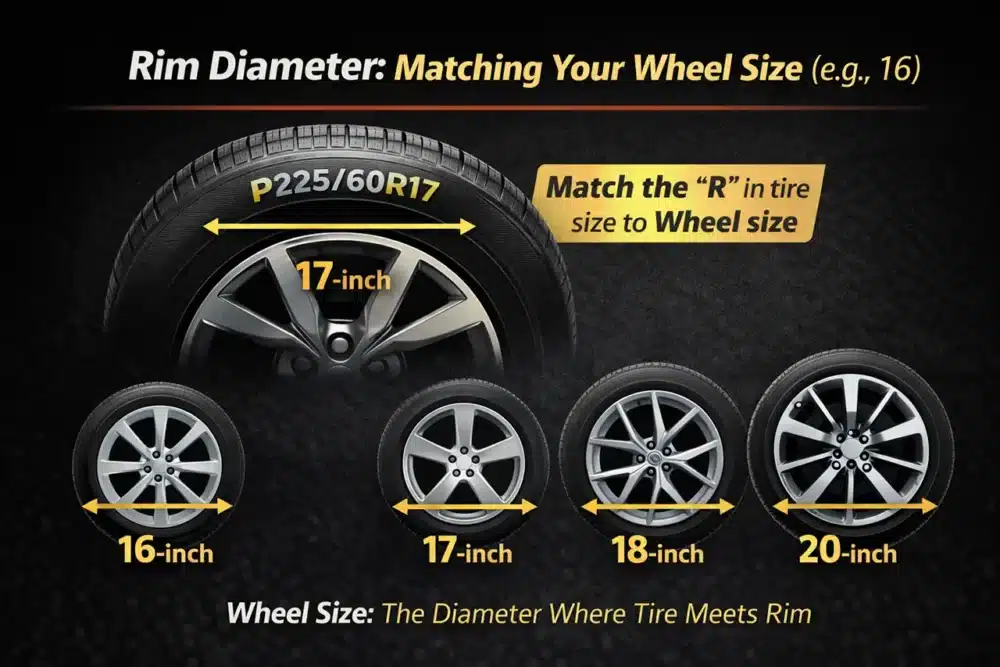
The final number in this sequence is the rim diameter, measured in inches. In P215/65R16, “16” indicates that this tire is designed to fit a 16-inch diameter wheel.
It is absolutely critical that the rim diameter of the tire matches the diameter of the wheel it is being mounted on. Using a tire with an incorrect rim diameter will prevent proper mounting and can lead to catastrophic failure.
When changing wheel sizes, for example, from 16 inches to 17 inches, you will also need to select tires with a corresponding 17-inch rim diameter. This often necessitates adjustments to the aspect ratio to maintain a similar overall tire diameter.
Decoding the Service Description: Load Index and Speed Rating
Following the basic tire size designation, you’ll find a two- or three-digit number and a letter, known as the service description. These codes convey vital information about the tire’s load-carrying capacity and its maximum safe operating speed.
Load Index: Your Tire’s Weight-Bearing Ability (e.g., 96)
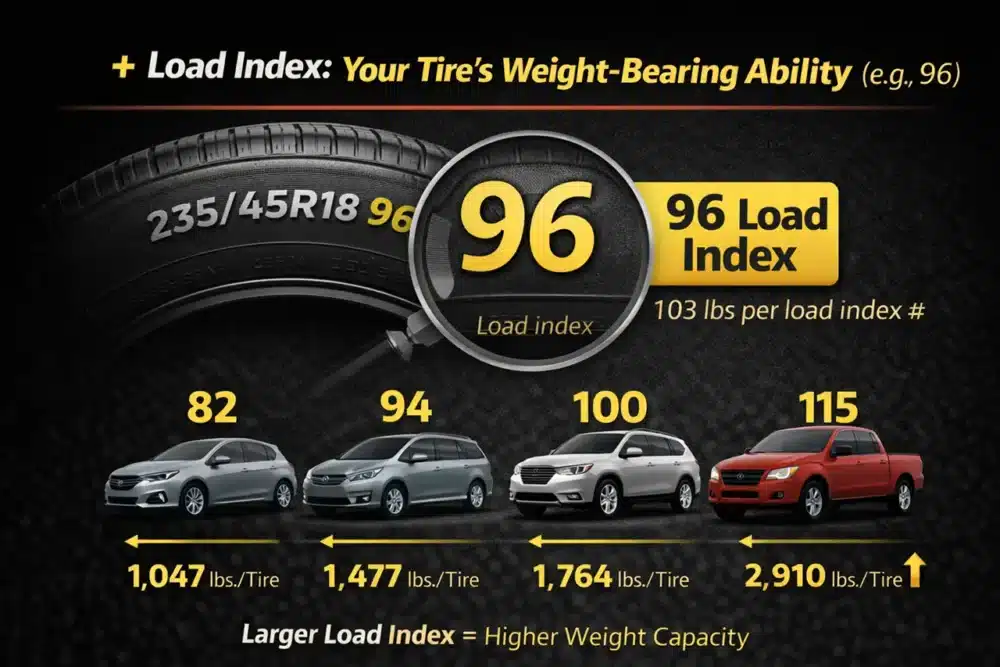
The load index is a numerical code that corresponds to the maximum weight each tire can safely support when properly inflated. For example, a load index of “96” indicates that the tire can carry a maximum load of 1565 pounds (710 kg).
It is crucial to note that the load index is specific to each tire. When replacing tires, you should always select tires with a load index equal to or greater than the OEM recommendation. Installing tires with a lower load index can be extremely dangerous, as the tires may not be able to support the weight of the vehicle, potentially leading to tire failure.
Below is a partial chart illustrating common load index values and their corresponding weight capacities:
| Load Index | Load (lbs) | Load (kg) | Load Index | Load (lbs) | Load (kg) |
|---|---|---|---|---|---|
| 80 | 992 | 450 | 95 | 1499 | 680 |
| 85 | 1168 | 530 | 96 | 1565 | 710 |
| 90 | 1323 | 600 | 98 | 1653 | 750 |
| 92 | 1433 | 650 | 100 | 1764 | 800 |
Note: This is a partial chart for illustration. Comprehensive charts are available from tire manufacturers and industry resources.
For light trucks and commercial vehicles, the load capacity is often indicated by “Load Range” (e.g., C, D, E) printed on the sidewall, which signifies a higher ply rating and thus greater load-carrying capacity. The global electric vehicle tires market, for instance, is projected to grow significantly, reaching USD 114.84 billion by 2032 at a CAGR of 24.8% PathSoft, 2023, indicating an increasing demand for tires with robust load capacities for heavier EVs.
Speed Rating: Maximum Safe Speed (e.g., H)
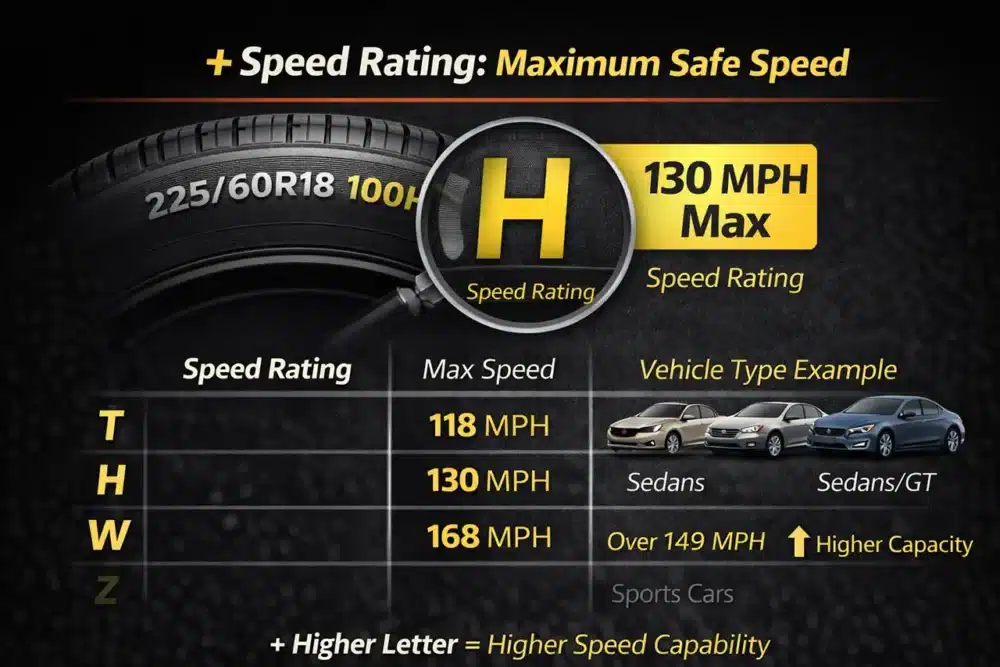
The letter following the load index is the speed rating. This rating indicates the maximum speed at which the tire can be safely operated under its specified load capacity. For example, a tire with a speed rating of “H” has a maximum safe speed of 130 mph (210 km/h).
Exceeding a tire’s speed rating can lead to overheating, structural damage, and potentially a blowout. Similar to the load index, it is generally recommended to choose tires with a speed rating equal to or greater than the OEM specified rating.
Here is a partial chart of common speed ratings:
| Speed Rating | Max Speed (mph) | Max Speed (km/h) |
|---|---|---|
| S | 112 | 180 |
| T | 118 | 190 |
| U | 124 | 200 |
| H | 130 | 210 |
| V | 149 | 240 |
| W | 168 | 270 |
| Y | 186 | 300 |
Note: Tires with a speed rating higher than the vehicle’s maximum speed capability will still be limited by the vehicle’s performance.
Understanding these service descriptions is vital for both safety and performance, ensuring your tires can handle the demands of your driving style and the vehicle’s capabilities.
Check out our different speed rating comparison articles:
- Tire Speed Ratings Chart Explained
- V vs H Speed Rating
- V vs W Speed Rating
- H vs T Speed Rating
- W vs Y Speed Rating
- S vs T Speed Rating
- H vs S Speed Rating
- V vs T Speed Rating
- Q vs S Speed Rating
Beyond the Basics: Other Critical Sidewall Markings
The tire sidewall contains more than just size and service information. Several other markings provide valuable insights into the tire’s quality, age, and recommended usage.
Uniform Tire Quality Grading (UTQG): Treadwear, Traction, and Temperature
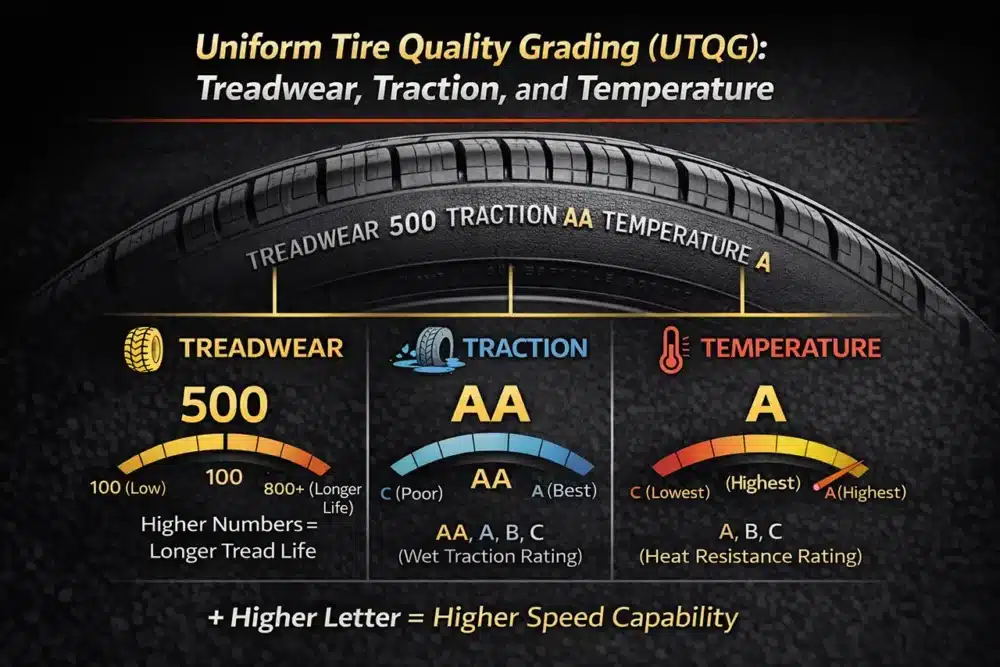
The UTQG system is a U.S. Department of Transportation standard that provides consumers with a way to compare tires. It consists of three components:
- Treadwear: This is a comparative rating of the tire’s wear life. A tire rated “400” is expected to last twice as long as a tire rated “200” under standardized test conditions. Higher numbers indicate a longer potential tread life. This is an important factor for consumers looking for durability.
- Traction: This grading indicates the tire’s straight-line wet traction. It is rated on a scale from AA (highest traction), A, B, to C (lowest traction). A higher traction grade means the tire can stop a vehicle in wet conditions better than a tire with a lower grade.
- Temperature: This rating indicates the tire’s resistance to heat buildup and its ability to dissipate heat. It is rated from A (highest), B, to C (lowest). A tire rated “A” can withstand higher temperatures and dissipate heat more effectively, which is crucial for high-speed driving or in hot climates.
These UTQG ratings are assigned by tire manufacturers based on their own internal testing and are a useful tool for comparing tires within the same category.
Maximum Air Pressure: Staying Safely Inflated
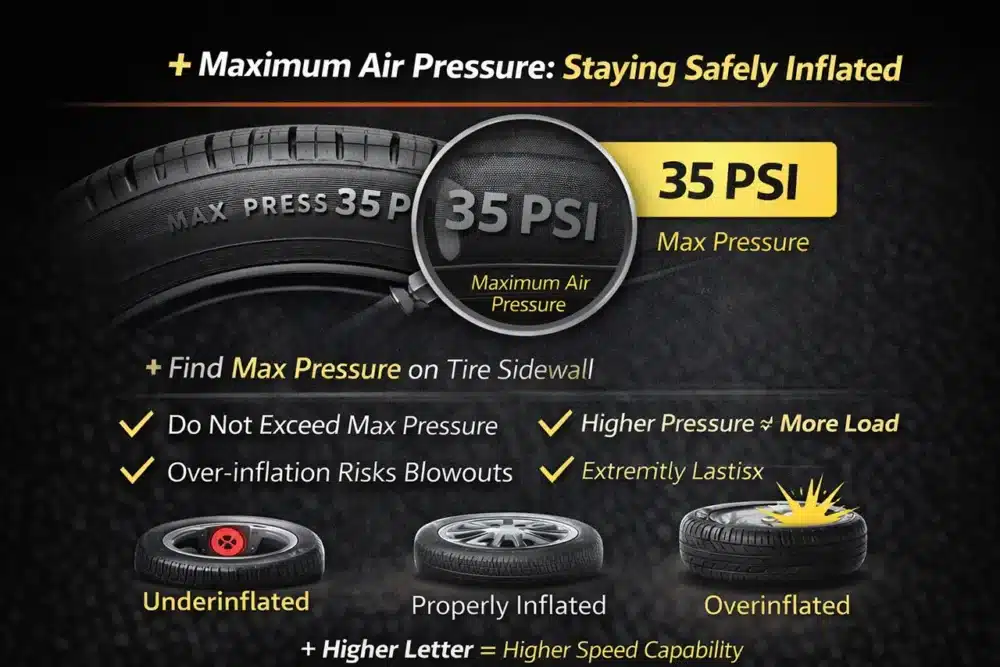
Every tire will have a marking indicating the maximum air pressure it can safely hold, usually expressed in PSI (pounds per square inch) or kPa (kilopascals).
This is not the recommended operating pressure for your vehicle. The recommended tire pressure for your specific vehicle can be found on the driver’s side door jamb sticker or in your owner’s manual.
It is critical never to exceed the maximum air pressure indicated on the tire’s sidewall. Over-inflation can lead to a harsher ride, reduced traction, and an increased risk of tire damage from impacts. Conversely, under-inflation can cause excessive heat buildup, uneven tire wear, and compromised handling.
DOT Code: Tire’s Age and Manufacturing Information
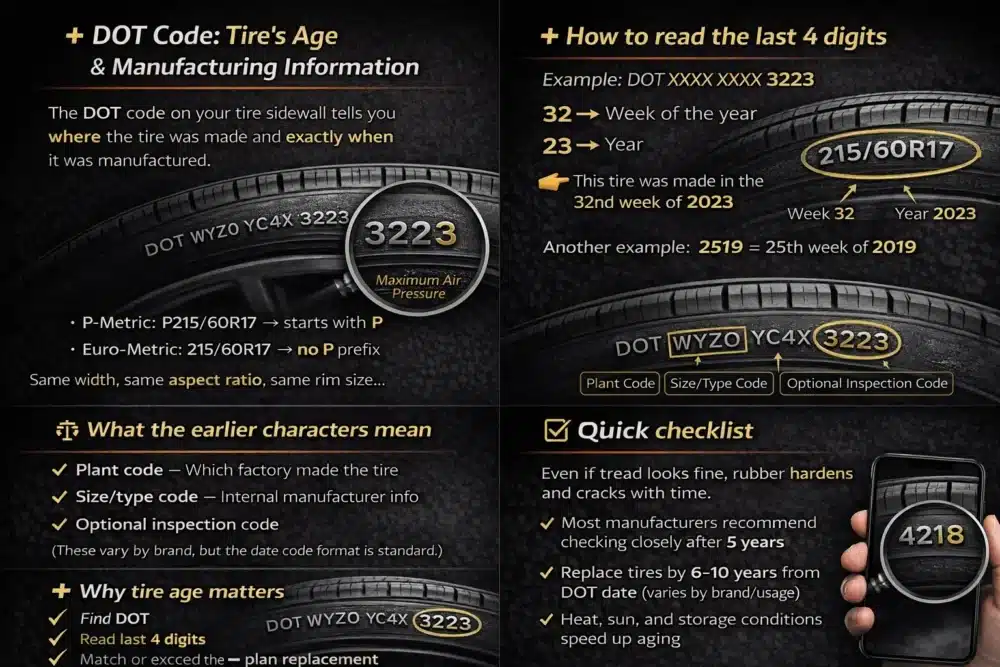
The DOT code is a series of alphanumeric characters stamped on the sidewall that signifies compliance with Department of Transportation standards. It also contains crucial information about the tire’s manufacturing origin and age.
The most important part of the DOT code for consumers is the date of manufacture. This is typically indicated by a four-digit code at the end of the DOT sequence, representing the week and year. For example, “3223” means the tire was manufactured in the 32nd week of 2023.
Tires degrade over time, regardless of tread depth. Rubber compounds can become brittle, reducing performance and increasing the risk of failure.
It is generally recommended to replace tires that are more than six years old, or ten years old at the absolute maximum, even if they appear to have plenty of tread remaining. Checking the DOT code is an essential part of tire inspection.
Different Tire Sizing Systems
While P-Metric is dominant in North America for passenger vehicles, other sizing systems exist, catering to different vehicle types and global markets.
Understanding these can be important, especially when considering international vehicles or specialized applications.
P-Metric vs. Euro-Metric: Subtle Differences
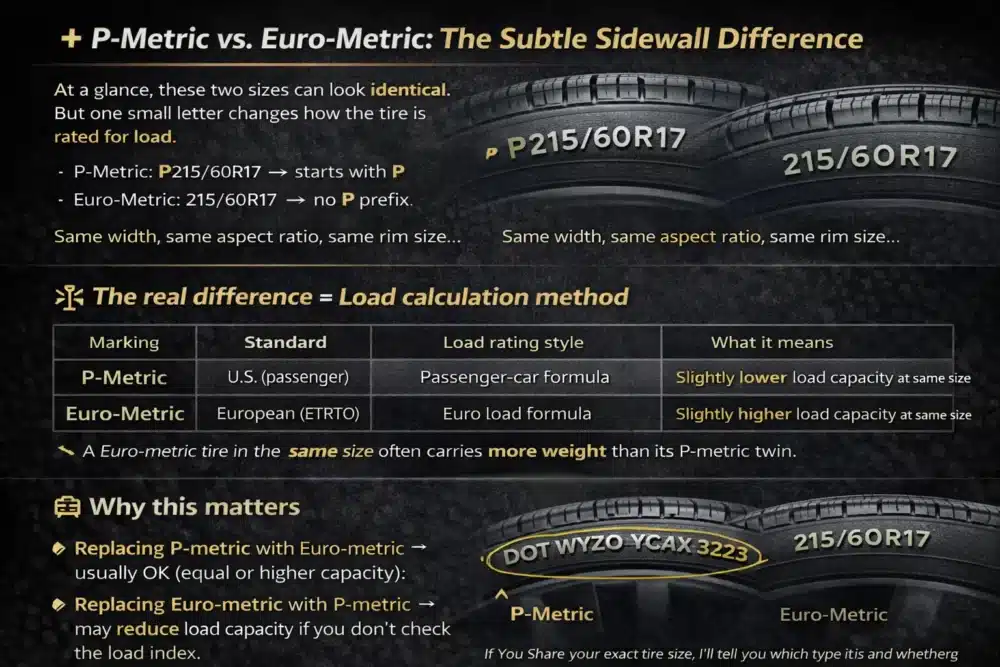
Euro-Metric tires are prevalent in European vehicles. While the core dimensions like section width, aspect ratio, and rim diameter are presented similarly, there are key differences:
- Designation: Euro-Metric tires often lack the initial “P” designation and may start directly with the width (e.g., 215/65R16).
- Load Index: Euro-Metric systems often use a higher base load capacity, and sometimes employ “XL” (Extra Load) or “RF” (Reinforced) designations to indicate higher load capacities than standard tires. P-Metric tires might use a load range like “C” or “D” for heavier duty, while Euro-Metric uses different numerical load index conventions or specific designations for enhanced load-bearing.
It’s essential to consult your owner’s manual to determine the correct sizing system and load/speed ratings for your specific vehicle.
LT-Metric and Load Range: For Light Trucks and Heavy Loads
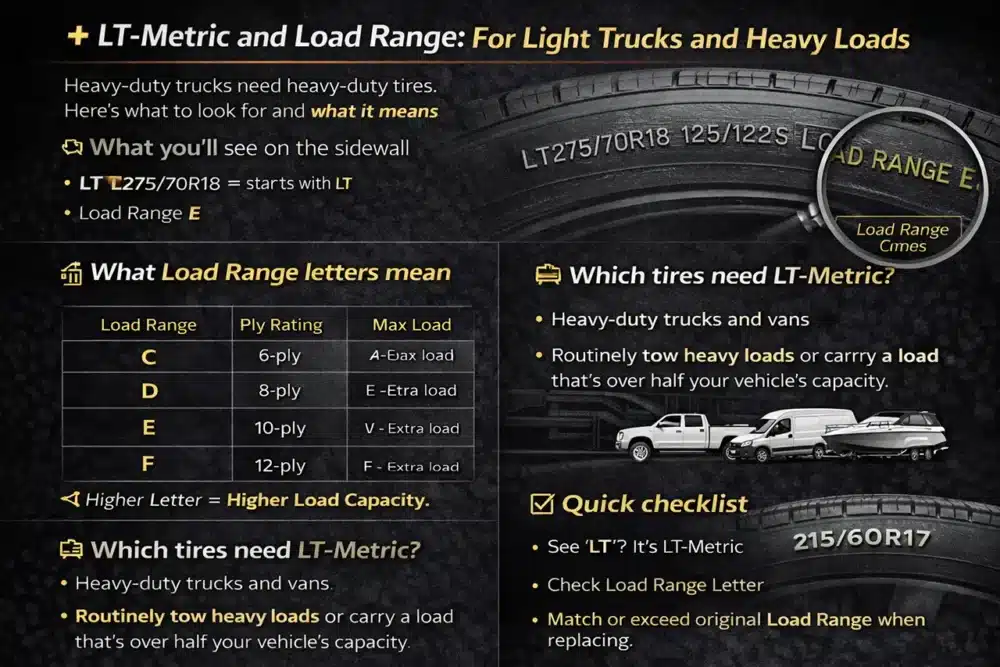
As mentioned earlier, LT-Metric tires are designed for light trucks and are distinguished by their robust construction. Their sizing is similar to P-Metric but uses “LT” as the prefix (e.g., LT265/70R17).
Crucially, LT-Metric tires use a Load Range system, often indicated by letters like C, D, E, F, G, or H. Each load range signifies a specific ply rating and a corresponding maximum load capacity, which is typically higher than that of P-Metric tires.
For example, a Load Range E tire is built for significantly heavier loads than a Load Range C tire. The all-weather tire market, for instance, has seen significant growth, with an expected expansion from $194.79 billion in 2025 to $206.18 billion in 2026 due to the growing popularity of SUVs and the demand for convenience All Weather Tire Market Trends, 2026.
Flotation Sizing: When Size is Measured Differently (e.g., 35×12.50R15)
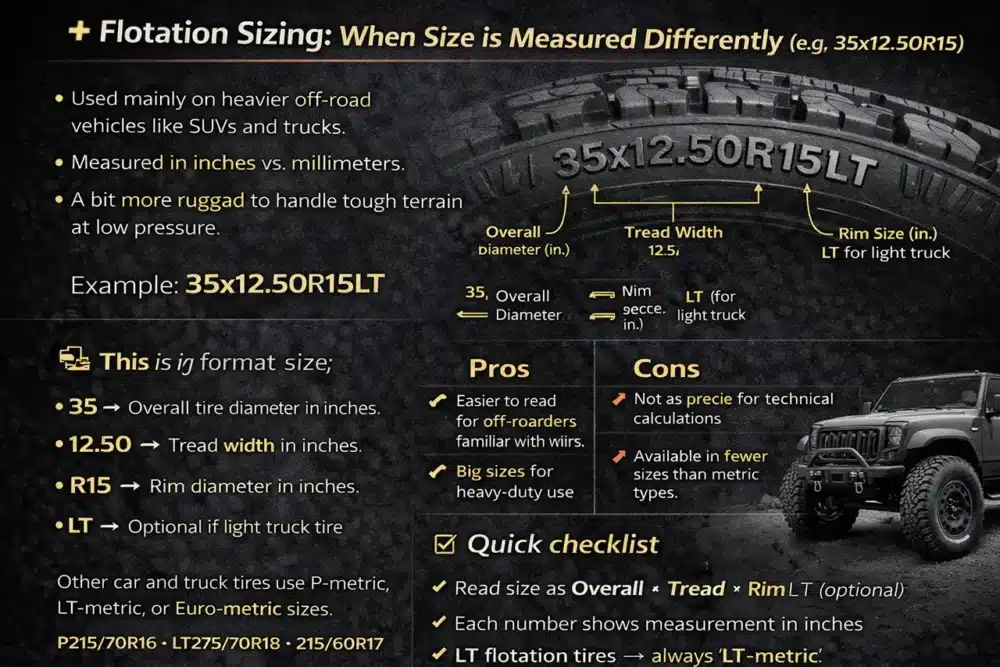
Flotation sizing is commonly used for off-road vehicles, large trucks, and performance applications where the tire’s overall diameter and width are prioritized. This system expresses the tire size in inches.
A typical flotation size might look like “35×12.50R15”:
- 35: This is the approximate overall diameter of the tire in inches.
- 12.50: This is the tire’s section width in inches.
- R: Indicates radial construction.
- 15: This is the rim diameter in inches.
The “X” in the notation (e.g., 35X12.50R15) simply denotes “by,” meaning the tire is 35 inches in diameter by 12.50 inches wide. This sizing system is less about precise metric measurements and more about the tire’s physical presence and capabilities in demanding off-road environments.
Alphanumeric and Numeric Sizing (Brief Mention)
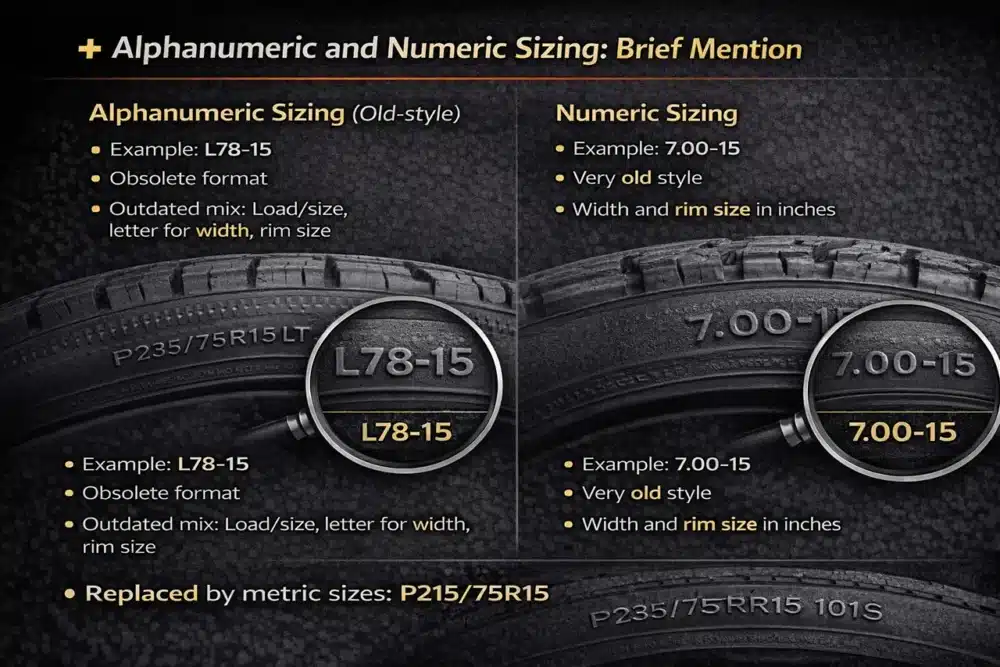
Historically, and still in some specialized applications, tires used alphanumeric or purely numeric sizing systems.
For example, older tires might be designated with terms like “Super,” “Low Profile,” or simply a numeric code that didn’t directly correlate to millimeters or inches in the same standardized way.
While less common on new vehicles today, you might encounter these on older vehicles or specialized equipment.
When to Consult Your Tire Size
Understanding your tire size is not a one-time task. It’s a concept to keep in mind during regular vehicle ownership and maintenance.
Regular Maintenance and Safety Checks
Regularly inspecting your tires for wear, damage, and correct inflation is crucial. During these checks, confirm that the tires on your vehicle match the size recommended in your owner’s manual or on the door jamb sticker.
The condition of your tires, including their size and inflation, directly impacts your safety. The USTMA reports that in 2023, 79% of end-of-life tires were recycled, a testament to the industry’s growing focus on sustainability and responsible end-of-life management USTMA, 2023.
Tire Replacement: Sticking to Original Equipment (OEM)
For the vast majority of drivers, the safest and most straightforward approach is to replace tires with those that match the OEM size.
This ensures that your vehicle’s handling, braking, and safety systems continue to operate as intended by the manufacturer. Deviating from the OEM size without expert consultation can compromise vehicle performance and safety.
Aftermarket Wheels and Tire Size Changes: Critical Considerations
When opting for aftermarket wheels or making modifications to your vehicle’s tire size, several critical factors must be considered:
- Overall Diameter: Changes in tire size can alter the overall diameter of the wheel and tire combination. This affects your speedometer and odometer readings, and can also impact the performance of ABS and traction control systems. A significant difference in diameter can lead to inaccurate speed readings and potentially unsafe operation of these systems.
- Wheel Width and Offset: Aftermarket wheels have different widths and offsets than OEM wheels. These dimensions must be compatible with the tire size you choose to avoid rubbing against suspension components or fenders.
- Tire Clearance: Ensure that the new tire size will not interfere with the vehicle’s body panels, suspension components, or brakes, especially when turning or under load.
- Load Capacity and Speed Rating: Always ensure that the new tires meet or exceed the OEM load index and speed rating requirements for your vehicle.
- Professional Consultation: If you plan to deviate from the OEM tire size, it is highly recommended to consult with a qualified tire professional. They can help you select appropriate sizes that maintain vehicle safety and performance characteristics, and advise on potential modifications needed.
The electric vehicle (EV) tires market is a rapidly growing segment, projected to reach USD 114.84 billion by 2032 PathSoft, 2023.
This growth necessitates specialized tire knowledge, as EV tires often require specific characteristics related to load, torque, and rolling resistance, making correct sizing even more critical.
Leveraging Tools: Tire Size Calculators and Charts
Navigating the complexities of tire sizing can be simplified with the help of various online tools and resources.
How Online Calculators Can Help
Online tire size calculators are invaluable resources for comparing your current tire size with potential new sizes. These calculators allow you to input your current tire dimensions and then compare them to a proposed new size. They can:
- Calculate the difference in overall tire diameter.
- Determine the percentage difference in diameter.
- Show the impact on your speedometer reading (e.g., if your speedometer reads 60 mph, how fast are you actually going?).
- Calculate differences in tire width and sidewall height.
This information is critical when considering aftermarket wheels or wanting to understand the implications of slightly different tire sizes.
Load Index and Speed Rating Charts
As illustrated earlier in this guide, comprehensive charts are available that decode the numerical load index and alphabetical speed rating into their specific weight and speed limits.
These charts are essential for ensuring you select replacement tires that meet or exceed your vehicle’s safety requirements.
Resources from tire manufacturers, automotive associations, and reputable tire retailers typically provide access to these charts.
Conclusion: Drive Confidently with Tire Knowledge
Your tire size is more than just a series of numbers and letters; it’s a critical specification that directly influences your vehicle’s safety, performance, and efficiency.
By understanding the P-Metric system, the meaning behind each number and letter on your tire’s sidewall, and the various other markings, you gain the power to make informed decisions about tire selection, maintenance, and replacement.
Remember, the tire sidewall is your primary guide, but your owner’s manual and door jamb sticker offer the manufacturer’s recommended specifications.
Always prioritize safety by ensuring your chosen tires meet or exceed the required load index and speed rating.
When considering any deviations from your vehicle’s original equipment tire size, especially for aftermarket modifications, seek expert advice from a reputable tire professional.
Empowering yourself with this knowledge allows you to drive with greater confidence, knowing that your vehicle is equipped with the right tires for the road ahead, ensuring a safer and more enjoyable driving experience.
The ongoing evolution of the tire industry, with significant growth in markets like sustainable tires (expected to reach USD 867.49 million by 2032 Sustainability Market Research, 2024) and EV tires, means staying informed about tire technology and specifications will continue to be vital for all vehicle owners.
Final Thoughts
This comprehensive guide has navigated the intricacies of tire size markings, from the fundamental P-Metric code to the critical load index and speed ratings, and beyond to UTQG and DOT codes.
We’ve highlighted why understanding these details is not just a matter of compliance, but a cornerstone of safe and optimal vehicle performance.
The information presented here serves as a foundational pillar, enabling drivers to move beyond guesswork and engage with their vehicle’s most direct link to the road.
The key takeaways emphasize the interconnectedness of tire size with vehicle safety systems, handling dynamics, and efficiency.
We’ve underscored the importance of consulting OEM recommendations found on door jambs and in owner’s manuals, while also providing context for alternative sizing systems like Euro-Metric, LT-Metric, and Flotation sizing.
The risks and considerations associated with aftermarket modifications have been addressed, stressing the need for professional guidance.
To further empower readers, leveraging tools like online tire size calculators and load/speed rating charts is strongly recommended for making informed decisions.
As the automotive landscape evolves with the burgeoning EV market and a growing emphasis on sustainability—the sustainable tire market is projected to grow at a CAGR of 27.36% Sustainability Market Research, 2024—understanding tire specifications will become even more crucial for optimizing performance and ensuring safety.
Your next steps should include:
- Inspect Your Tires: Take a moment to locate and decode the tire size, load index, speed rating, and DOT code on your current tires. Compare this to your vehicle’s recommended specifications.
- Consult Your Resources: Familiarize yourself with your owner’s manual and the door jamb sticker for your vehicle’s specific tire requirements.
- Utilize Online Tools: Bookmark a reliable online tire size calculator for future reference, especially if you are considering tire or wheel changes.
- Seek Professional Advice: If you have any doubts or are planning modifications, always consult a certified tire professional.
By integrating this knowledge into your vehicle ownership routine, you can ensure your tires are always the right fit, contributing to a safer, more efficient, and more enjoyable driving experience.
FAQ: Understanding Your Tire Sidewall
What do the 3 tire size numbers mean?
The three main numbers on a tire represent its physical dimensions.
- Width: The first number (e.g., 225) is the width of the tire in millimeters from sidewall to sidewall.
- Aspect Ratio: The second number (e.g., 45) is the height of the tire’s sidewall, expressed as a percentage of the width.
- Rim Diameter: The third number (e.g., 17) indicates the size of the wheel (rim) the tire is designed to fit, measured in inches.
What does 225 65R17 mean?
This is a common tire size for SUVs and crossovers. Here is exactly what it translates to:
- 225: The tire is 225 millimeters wide.
- 65: The sidewall height is 65% of the width (which calculates to roughly 146mm tall). This indicates a taller sidewall, which usually provides a comfortable ride.
- R: This stands for Radial construction (the industry standard for passenger tires).
- 17: This tire fits on a 17-inch wheel rim.
Can someone explain what these numbers on the tire mean?
The string of numbers and letters on your sidewall is a standardized code that tells you if the tire fits your car and how much weight it can carry. The sequence typically follows this order: Type (P or LT), Width (in mm), Aspect Ratio (%), Construction (usually R for Radial), Rim Diameter (in inches), and finally the Service Description (a number and letter like 98H, representing Load Index and Speed Rating).
What do the three numbers on tires mean?
These three numbers are the “geometry” of the tire.
- The first number tells you how “fat” or wide the tire is.
- The second number tells you how “tall” the side profile of the tire looks (a lower number means a thinner, sportier profile; a higher number means a taller, cushioned profile).
- The third number tells you the size of the hole in the middle, which must match your metal wheel exactly.