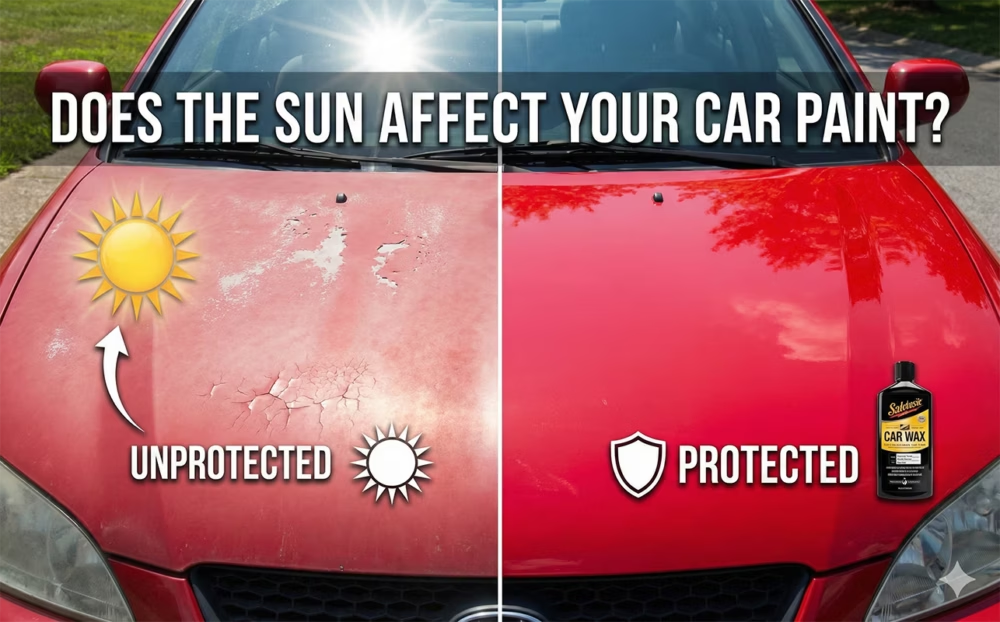
Your car is more than just a mode of transportation; it’s often a significant investment and a source of pride. Protecting its appearance, and by extension its value, is paramount. While we often consider physical damage like scratches and dents, the relentless assault of the sun can inflict severe and often overlooked harm to your car’s paintwork.
This invisible enemy, composed of heat and ultraviolet (UV) radiation, works insidiously to degrade the protective layers of your vehicle’s finish, leading to a cascade of aesthetic and structural problems. Understanding the mechanisms behind sun damage and implementing proactive protection strategies are crucial for maintaining your car’s appeal and longevity.
The U.S. car wash and auto detailing industry’s robust revenue of approximately $14.6 billion in 2023 alone underscores the significant consumer investment in maintaining vehicle appearance.
- Read out guide on DIY Car Maintenance for Beginners
Furthermore, the global automotive paints and coatings market, valued at over $20.24 billion in 2024, highlights the intrinsic value placed on the car’s finish. This article delves into the science of how the sun impacts your car’s paint, the tell-tale signs of damage, and most importantly, a comprehensive guide to preventing and rectifying this pervasive threat.
- The Ubiquitous Nature of Sun Damage
- Why Your Car’s Paint Matters (Beyond Aesthetics)
- The Science of Sun Damage: Unpacking the “Why” and “How”
- Decoding the Damage: A Visual Guide to Identifying Sun’s Impact
- The Lifecycle of Sun Damage: From Subtle Dullness to Severe Deterioration
- Your Multi-Layered Defense: Comprehensive Prevention Strategies
- Repair and Restoration: Addressing Existing Sun Damage
- The Hidden Costs and Long-Term Impact of Neglected Sun Damage
- Your Proactive Maintenance Calendar: A Seasonal Guide
- Conclusion
- FAQs
The Ubiquitous Nature of Sun Damage
The sun’s rays are an unavoidable aspect of daily life for most vehicles. Whether parked outdoors during the day or exposed during commutes, every car is subjected to continuous UV exposure. This constant barrage, amplified in sun-drenched regions, chips away at the car’s exterior integrity. The sheer pervasiveness of this threat means that even vigilant owners can underestimate its impact until the damage becomes visually apparent and costly to repair.
Why Your Car’s Paint Matters (Beyond Aesthetics)
A car’s paint is a sophisticated, multi-layered system designed not only for visual appeal but also for protection. The clear coat, the outermost layer, is the primary shield against environmental contaminants and UV radiation. When this layer degrades, the base coat and even the metal beneath are exposed, leading to accelerated deterioration. Beyond aesthetics, a well-maintained paint finish significantly impacts a vehicle’s resale value. Damaged paint can deter potential buyers, leading to substantial price reductions. The automotive appearance market, with U.S. sales growing by 5.2% to $12.3 billion in 2023, demonstrates a clear consumer focus on maintaining and enhancing a vehicle’s look, making paint protection a sound financial decision.
The Science of Sun Damage: Unpacking the “Why” and “How”
Understanding the fundamental science behind sun damage is the first step toward effective prevention. It’s a two-pronged attack, primarily waged by ultraviolet radiation and heat, working in tandem to degrade the complex chemistry of automotive paint.
Understanding Ultraviolet (UV) Radiation and Heat
The sun emits electromagnetic radiation across a spectrum, with ultraviolet (UV) rays being particularly damaging. UV radiation is divided into three main types: UVA, UVB, and UVC. UVC is largely absorbed by the Earth’s atmosphere, but UVA and UVB rays penetrate to the surface, directly impacting your car’s paint. UVA rays penetrate deeper, contributing to the breakdown of polymers and causing materials to become brittle and chalky over time. UVB rays are more intense on sunny days and are the primary cause of paint fading by breaking down the color pigments.
Heat, another significant byproduct of sun exposure, exacerbates the damage caused by UV rays. As a car’s surface heats up, the molecules within the paint and clear coat expand and contract. This thermal cycling, especially under intense heat, can weaken the molecular bonds, making the paint more susceptible to UV degradation and physical damage. A car parked in direct sunlight can reach interior temperatures of over 150°F and exterior surface temperatures can soar even higher, often reaching up to 375°F in extreme climates like Arizona, accelerating these destructive processes.
How UV Rays Attack Your Car’s Paintwork
UV rays act as a chemical catalyst for paint degradation. They possess enough energy to break the molecular bonds that hold the paint and clear coat together. This process, often referred to as photodegradation, begins at the molecular level. When UV radiation strikes the clear coat, it initiates a chain reaction that breaks down the polymer chains, leading to a loss of gloss and the eventual chalky or hazy appearance. These broken bonds also make the clear coat more porous, allowing moisture and contaminants to penetrate more easily.
The pigments within the base coat are also vulnerable. UV rays can break down these colorants, causing them to lose their vibrancy, leading to noticeable fading. This is why red cars can appear faded and pinkish, or why dark blues turn lighter. The clear coat acts as the primary defense, and once its integrity is compromised, the underlying paint layers are rapidly exposed to the full force of UV radiation.
Factors Accelerating Sun Damage
While the sun is the primary culprit, several other factors can accelerate the rate at which sun damage affects your car’s paint. The presence of dirt, dust, and other airborne pollutants on the car’s surface is a major accelerant. These particles can act like tiny magnifying lenses when exposed to sunlight, concentrating heat and UV rays onto small areas of the paint. Furthermore, dried contaminants like bird droppings, tree sap, and insect residue are highly acidic or alkaline and can etch into the clear coat, creating entry points for UV radiation and moisture, significantly speeding up oxidation and degradation. The collective efforts in exterior detailing, representing over 62% of total car detailing activities in 2023, highlight the understanding that protecting the exterior paint is paramount.
Decoding the Damage: A Visual Guide to Identifying Sun’s Impact
Recognizing the signs of sun damage early is critical for timely intervention. The effects manifest on both the exterior paintwork and the vehicle’s interior components.
Exterior Damage: What to Look For
The most visible signs of sun damage occur on the car’s exterior paint. Initially, you might notice a subtle dullness or loss of shine, especially on the horizontal surfaces most exposed to the sun, like the hood and roof. As the damage progresses, this dullness intensifies, often accompanied by a chalky or powdery residue when wiped. This is a classic sign of oxidation, where the clear coat’s protective oils have been depleted by UV exposure.
More advanced stages involve a noticeable color shift; the paint appears less vibrant and can even change hue. The clear coat itself can begin to fail, leading to microscopic cracks that eventually expand. This can manifest as a network of fine lines, known as micro-cracking, particularly visible under direct light. In severe cases, the clear coat may start to peel away in flakes, exposing the colored base coat. This peeling is a strong indicator that the protective layers have been significantly compromised and are actively delaminating.
Interior Damage: Beyond the Paintwork
The sun’s destructive power isn’t limited to the exterior. The car’s interior is equally vulnerable to UV rays and heat, often with more permanent consequences. Dashboard surfaces, typically made of plastics and vinyl, can become brittle, leading to cracking and warping. The relentless sun can also cause significant fading and discoloration of upholstery, whether fabric or leather. Plastics and rubber trim can degrade, becoming faded, brittle, and prone to cracking. Even the car’s stereo and navigation screens can suffer from sun damage, exhibiting dead pixels or discolored displays. The interior’s dashboard, steering wheel, and seating surfaces are often exposed to extreme temperatures, making their degradation a common consequence of prolonged sun exposure.
The Lifecycle of Sun Damage: From Subtle Dullness to Severe Deterioration
Sun damage to a car’s paint doesn’t happen overnight. It progresses through distinct stages, each with its own set of visual cues and implications for repair. Understanding this lifecycle helps in early detection and appropriate intervention.
Stage 1: Initial Dullness and Minor Fading
The earliest signs of sun damage are often subtle. You might notice that your car’s paint doesn’t have the same deep gloss it once did, appearing slightly duller, particularly after washing. This initial stage is characterized by a mild loss of shine and very minor fading of the color. The clear coat is still largely intact but has begun to lose its protective oils due to UV exposure. At this point, the damage is often reversible with basic polishing and waxing.
Stage 2: Noticeable Oxidation and Color Shift
As UV exposure continues, the clear coat’s degradation becomes more pronounced. Oxidation sets in, creating a hazy or chalky appearance. The original vibrant color of the paint may start to shift, appearing less saturated or slightly lighter. This stage signifies that the clear coat’s integrity is weakening significantly, and its protective capabilities are diminishing. While paint correction techniques can often restore the finish at this stage, it requires more effort than simple waxing.
Stage 3: Clear Coat Micro-Cracks and Early Peeling
With continued exposure, the clear coat begins to develop microscopic fissures or cracks. These are not always immediately visible to the naked eye but can be detected under bright lights or magnification. These micro-cracks weaken the clear coat further, allowing moisture and contaminants to penetrate deeper into the paint layers. In some areas, especially those with higher stress points or pre-existing imperfections, the clear coat may start to lift or peel. This early peeling is a critical warning sign that the protective layer is failing.
Stage 4: Severe Clear Coat Failure and Extensive Paint Damage
This is the most advanced stage of sun damage. The clear coat has significantly degraded, leading to widespread peeling, flaking, or a severely chalky, eroded surface. The base coat is exposed and susceptible to direct UV damage, resulting in deep fading, discoloration, and potentially permanent damage to the pigments. In extreme cases, if the metal underneath is exposed, it can also lead to rust formation. Repairing damage at this stage is complex and often requires professional repainting of affected panels.
Your Multi-Layered Defense: Comprehensive Prevention Strategies
Protecting your car’s paint from the sun is an ongoing process that involves a combination of daily habits, routine maintenance, and strategic long-term investments.
Daily Habits for Immediate Protection
The simplest and most effective way to combat sun damage is to minimize direct exposure. Whenever possible, park your car in a shaded area, such as under a tree, in a parking garage, or on the shady side of a building. If parking outdoors is unavoidable, consider using a UV-resistant windshield sunshade. While it only protects the interior, reducing interior heat can indirectly help mitigate the effects of extreme temperatures on the car’s overall structure and components that can affect paint adhesion.
Routine Maintenance: Building a Strong Foundation
Regular cleaning and protection are fundamental to preserving your car’s paint. Washing your car frequently removes dirt, dust, and contaminants that can exacerbate sun damage. It’s crucial to use proper washing techniques and pH-neutral car shampoos to avoid scratching the paint. After washing, drying thoroughly with clean microfiber towels is essential to prevent water spots, which can etch the paint surface.
Following a wash, applying a quality car wax or sealant provides a sacrificial layer of protection. Waxing fills microscopic imperfections in the clear coat and adds a barrier against UV rays and environmental contaminants. The global car care products market’s growth to an estimated $17.02 billion by 2032, with a CAGR of 3.50%, signifies consumer commitment to these maintenance routines. The car wash industry also shows resilience, with same-store sales remaining strong, indicating consistent consumer engagement with regular washing services. Exterior detailing, which includes services like wax application, accounted for over 62% of total car detailing activities in 2023, underscoring its importance.
Advanced Protection: Long-Term Investments
For more robust and longer-lasting protection, consider advanced solutions. Paint Protection Film (PPF) is a clear, thermoplastic urethane film applied directly to the car’s paintwork. It offers excellent protection against physical damage like chips and scratches, as well as UV rays.
Ceramic coatings represent another significant investment in paint protection. These liquid-based coatings chemically bond with the car’s factory paint, creating a hard, durable, and hydrophobic layer. This layer is significantly more resistant to UV radiation, chemical etching, and oxidation than traditional waxes or sealants. The global ceramic coating market, valued at approximately $8.3 billion in 2023, is projected to reach $14.2 billion by 2032, reflecting its growing popularity and effectiveness. Ceramic coatings offer superior gloss, self-cleaning properties, and a longevity that can last for years, providing a strong defense against the elements.
Protecting Specific Vulnerable Components
Beyond the main paint surfaces, other exterior and interior components also require attention. Plastic and rubber trim can become brittle and faded due to sun exposure. Using dedicated plastic and trim protectants can restore their color and flexibility, preventing cracking. For the interior, UV-blocking window tinting can significantly reduce the amount of harmful UV rays entering the cabin, protecting dashboards, upholstery, and sensitive electronics. Regular application of interior protectants designed for dashboards and upholstery will also help prevent fading and cracking.
Repair and Restoration: Addressing Existing Sun Damage
While prevention is ideal, sometimes sun damage has already occurred. Depending on the severity, there are DIY and professional solutions available to restore your car’s finish.
DIY Solutions for Minor Damage
For early-stage dullness and light oxidation, DIY polishing and waxing can often restore the shine and remove superficial damage. Using a high-quality polishing compound with a machine polisher or by hand can abrade away the oxidized top layer of the clear coat, revealing a fresh, glossy surface underneath. After polishing, applying a good quality wax or sealant will protect the newly restored finish. For minor interior damage like light fading on plastics, specialized cleaners and protectants can sometimes revive the color and prevent further degradation.
When to Call the Professionals: Paint Correction and Repainting
When sun damage progresses to noticeable fading, clear coat micro-cracking, or peeling, professional intervention is usually necessary. Paint correction involves a more aggressive approach than DIY polishing, often utilizing advanced multi-stage polishing techniques to remove deeper imperfections and restore clarity to the paint. If the clear coat has failed significantly, and there is widespread peeling or deep fading, a professional detailer or body shop may recommend panel repainting. This involves sanding down the damaged area, applying primer, base coat, and a new clear coat to match the rest of the vehicle, a process that ensures a lasting and aesthetically pleasing result.
The Hidden Costs and Long-Term Impact of Neglected Sun Damage
Ignoring sun damage to your car’s paint is a decision that carries significant long-term financial and practical consequences. What might seem like minor fading or dullness today can lead to substantial problems down the line.
Diminished Resale Value of Your Vehicle
A car’s appearance is a primary factor in its resale value. Paint that is significantly faded, oxidized, or shows signs of peeling will dramatically reduce the amount of money you can expect to receive when selling or trading in your vehicle. Potential buyers are often deterred by visible damage, associating it with a lack of maintenance and potentially other underlying issues. Maintaining your car’s paint in pristine condition is a direct investment in its future resale value.
Exacerbating Other Issues: Rust and Structural Integrity
When the protective layers of paint are compromised by sun damage, the underlying metal becomes exposed to the elements. This makes the car much more susceptible to rust and corrosion, especially in humid or coastal environments. Rust can start as a cosmetic issue but can quickly spread, compromising the structural integrity of body panels and potentially leading to costly repairs beyond just the paintwork. Furthermore, heat can degrade rubber seals and plastic components over time, potentially leading to leaks or other failures.
Increased Repair Costs Over Time
The longer sun damage is left unaddressed, the more extensive and expensive the repairs will become. What might have been a relatively inexpensive polishing and waxing job in the early stages can escalate into the need for panel repainting, which can cost hundreds or even thousands of dollars per panel. Addressing minor oxidation promptly is far more cost-effective than waiting until the clear coat has failed completely, necessitating a full restoration or repainting.
Your Proactive Maintenance Calendar: A Seasonal Guide
Implementing a seasonal approach to car care ensures your vehicle is protected year-round, especially against the damaging effects of the sun.
Spring: Prep and Protection
As winter recedes and the sun’s intensity begins to increase, spring is the ideal time for thorough preparation. Start with a deep clean to remove any salt residue from winter roads and environmental grime. Inspect your car’s paint for any signs of damage that may have occurred over the colder months. Apply a high-quality wax or sealant to provide a fresh layer of UV protection. If your car is exposed to harsh sunlight regularly, consider upgrading to a ceramic coating or paint protection film during this season for long-term defense. Ensure all exterior plastic and rubber trim is cleaned and treated with a protectant.
Conclusion
Sun damage to your car’s paint is a pervasive and often underestimated threat that can significantly compromise your vehicle’s aesthetics, value, and structural integrity. The relentless assault of UV rays and heat works insidiously to degrade the clear coat, leading to fading, oxidation, cracking, and peeling. However, by understanding the science behind this damage and implementing a comprehensive, multi-layered defense strategy, you can effectively protect your investment.
Proactive measures, ranging from simple daily habits like parking in shaded areas to routine maintenance such as regular washing and waxing, form the foundational defense. For enhanced and longer-lasting protection, advanced solutions like paint protection film and ceramic coatings offer a robust barrier against the sun’s harmful effects. The growth in the car care products market and the significant portion of detailing dedicated to exterior services highlight the widespread recognition of these protective needs.
Should damage already exist, recognizing its stages—from initial dullness to severe clear coat failure—is crucial for selecting the appropriate repair. Minor issues can often be addressed with DIY polishing and waxing, while more significant degradation necessitates professional paint correction or repainting. Neglecting these issues leads to hidden costs, including diminished resale value, accelerated rust formation, and significantly higher repair expenses over time.
By adopting a proactive maintenance calendar and prioritizing consistent care, you can preserve your car’s showroom finish for years to come. Your vehicle’s paint is a critical component of its overall health and appeal; investing in its protection is an investment in its longevity and your satisfaction.
FAQs
What does sun damage look like on car paint?
Sun damage manifests in distinct stages depending on its severity. In the early stages, you will notice the paint appearing slightly duller with a loss of deep gloss, which is often most visible right after washing the car. As the damage progresses to a moderate level, “oxidation” sets in, causing the surface to look hazy, chalky, or white, while the color itself may shift and appear less saturated or lighter than its original hue. In the most advanced stages, the clear coat develops microscopic cracks known as micro-cracking or begins to peel away in flakes, exposing the vulnerable base coat underneath.
How much damage does the sun do to my car?
The sun causes significant and multifaceted damage through a “two-pronged attack” of UV radiation and heat. Chemically, UV rays break down the polymers in the paint, making the materials brittle and chalky, while UVB rays specifically break down color pigments, leading to fading. Financially, neglected sun damage drastically reduces the vehicle’s resale value because buyers often associate faded or peeling paint with poor overall maintenance. Structurally, once the paint is compromised, the underlying metal becomes exposed to the elements, making the car highly susceptible to rust and corrosion, which can eventually compromise the body’s integrity.
Which is the best way to protect car paint from sunlight and damages?
The most effective way to protect your car paint is by maintaining the integrity of the clear coat, which serves as the primary shield against UV radiation. The article suggests that the best method to support this shield is the regular application of a high-quality wax or sealant, which acts as a sacrificial layer to absorb UV rays. For vehicles where damage has already started, the best approach involves professional paint correction to restore the surface, followed by the application of protective coatings to seal in the restoration.
How can people prevent car paint from fading or sun damage?
Preventing sun damage requires a consistent and proactive maintenance routine. This includes regular washing to remove contaminants that can trap heat and worsen sun damage, as well as waxing or sealing the paint to add a protective barrier. Additionally, “parking smart”—such as parking in the shade, using a garage, or employing a car cover—significantly reduces direct exposure to harmful rays. The article also emphasizes early intervention; if you notice dullness, you should address it immediately with polishing before it progresses to deep oxidation or peeling.
Does the sun cause damage to car paint over time?
Yes, the sun causes damage that progresses through a specific “lifecycle” over time. It begins with Stage 1, characterized by initial dullness and a minor loss of shine. It then moves to Stage 2, where noticeable oxidation creates a chalky appearance and the color begins to shift. If left unchecked, it reaches Stage 3, where the clear coat develops micro-cracks and starts to peel. Finally, Stage 4 involves severe clear coat failure with widespread flaking, leaving the base coat or metal completely exposed to the elements.
Can UV rays from the sun fade or deteriorate car paint?
Yes, UV rays are the primary driver of paint deterioration. The article breaks down the science, explaining that UVA rays penetrate deep into the paint to break down polymers, causing the material to become brittle and chalky. Meanwhile, UVB rays are more intense on sunny days and are responsible for breaking down the color pigments, which causes fading. Heat exacerbates this damage by causing the paint molecules to expand and contract (thermal cycling), which weakens the molecular bonds and makes the paint even more vulnerable to UV penetration.
How can I protect my car’s paint from sun damage effectively?
To protect your paint effectively, you must focus on maintaining the health of the clear coat. This involves keeping the surface clean to prevent dirt from trapping heat and applying protective layers like wax, sealants, or ceramic coatings to reflect UV radiation. Physical barriers are also highly effective; using car covers or parking in garages physically blocks the sun from reaching the paint. Furthermore, monitoring your car for “early warning signs,” such as a slight loss of gloss, allows you to polish the paint and correct issues before permanent damage sets in.
What are the best products or coatings to prevent sun fading on car paint?
The article highlights several key products for preventing sun fading. Waxes and sealants are the standard recommendations for maintaining the finish and protecting the clear coat from UV rays. Polishing compounds are essential for removing early oxidation and restoring gloss before damage worsens. For interior protection, specialized cleaners are recommended to prevent plastics and vinyls from becoming brittle. For advanced exterior protection, the article points toward professional detailing interventions, which typically involve the use of ceramic coatings or high-grade sealants after the paint has been corrected.