Tips and Guides

Tire Traction In Different Conditions

Tire Traction in Different Conditions

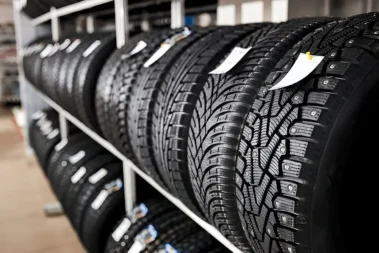
Introduction to Tire Traction Tire traction refers to the grip or adhesion between the tires and the road surface, which is crucial for maintaining control, stability, and safe handling of a vehicle. Proper tire traction ensures effective acceleration, braking, and cornering, allowing the driver to maneuver the vehicle confidently in various driving conditions. The importance…

Tire Traction in Different Conditions Read More »

Breaking In Tires

Breaking in Tires: A Guide for Optimal Performance

What is Tire Break-In? Tire break-in, also known as tire seasoning or tire scrubbing, is the process of gradually conditioning and preparing new tires for optimal performance and longevity. When tires are brand new, the rubber compound is stiff and lacks flexibility, which can lead to reduced traction, handling, and overall performance. The break-in process…

Breaking in Tires: A Guide for Optimal Performance Read More »

Why New Tires Don’t Perform As Good As Expected

Why New Tires Don’t Perform as Good as Expected?

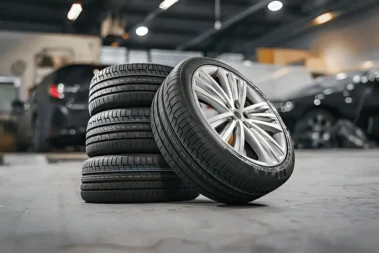
What Are New Tires? New tires are fresh from the factory, with full tread depth and no wear or damage. Unlike used tires, new tires have not been exposed to the elements or driving conditions that can cause deterioration over time. When purchasing new tires, drivers expect optimal performance, including superior traction, handling, and a…

Why New Tires Don’t Perform as Good as Expected? Read More »

How To Inspect A Tire

How to Inspect a Tire: The Essential Guide to Keeping Your Tires in Tip-Top Shape

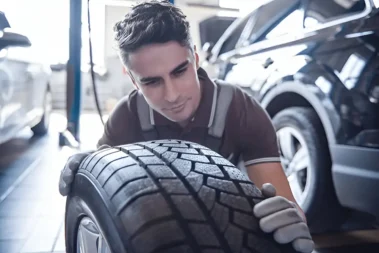
The Importance of Tire Inspection Tires are one of the most critical safety components of any vehicle. They are the only parts that make direct contact with the road, responsible for providing traction, stability, and control. Properly maintained tires can significantly improve a vehicle’s handling, braking performance, and fuel efficiency, while also reducing the risk…

How to Inspect a Tire: The Essential Guide to Keeping Your Tires in Tip-Top Shape Read More »

What Is The Difference Between Oe And Replacement Tires

What is the difference between OE and Replacement tires?

What are OE and Replacement Tires? OE (Original Equipment) tires are the tires that come pre-installed on a new vehicle from the factory. These tires are specifically designed and selected by the vehicle manufacturer to meet the precise requirements and specifications of that particular vehicle model. OE tires are engineered to provide optimal performance, handling,…

What is the difference between OE and Replacement tires? Read More »

Why Do Tires Look Flat At Optimal Pressure

Why do tires look flat at optimal pressure?

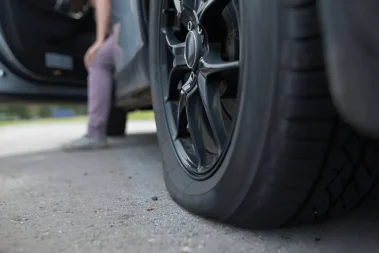
Introduction to Tire Pressure Tire pressure refers to the amount of air inflated inside a tire, which is measured in pounds per square inch (PSI). Maintaining the correct tire pressure is crucial for vehicle safety, performance, and fuel efficiency. Underinflated tires can lead to increased rolling resistance, reduced tread life, and compromised handling and braking…

Why do tires look flat at optimal pressure? Read More »

Scroll to Top